Why Yoga Should be Part of a Hiking Training Plan
When preparing for an expedition or a multi-day hiking or biking trip, establishing a comprehensive training plan is essential. A well-structured plan not only reduces the risk of injury but also enhances your strength, enabling you to tackle the challenges ahead.
While many individuals focus on strength and endurance training, they often overlook the significance of stretching. Without proper stretching, the success of your adventure could be compromised. This is where yoga plays a crucial role.
As a certified yoga instructor with 200 hours of training, I strongly advocate the importance of yoga and stretching in any fitness regimen.
Frequency of Practice
It’s important to recognize that everyone has different needs and schedules. You may be pondering how to incorporate yoga amidst your other training commitments.
Setting aside just 10 minutes post-run or on rest days can be sufficient to markedly lower the risk of injury. I recommend dedicating 10-15 minutes for a post-run stretch, with an additional 30-minute session of yin or restorative yoga on rest days. The focus should be on gentle movements, avoiding any intense practices.
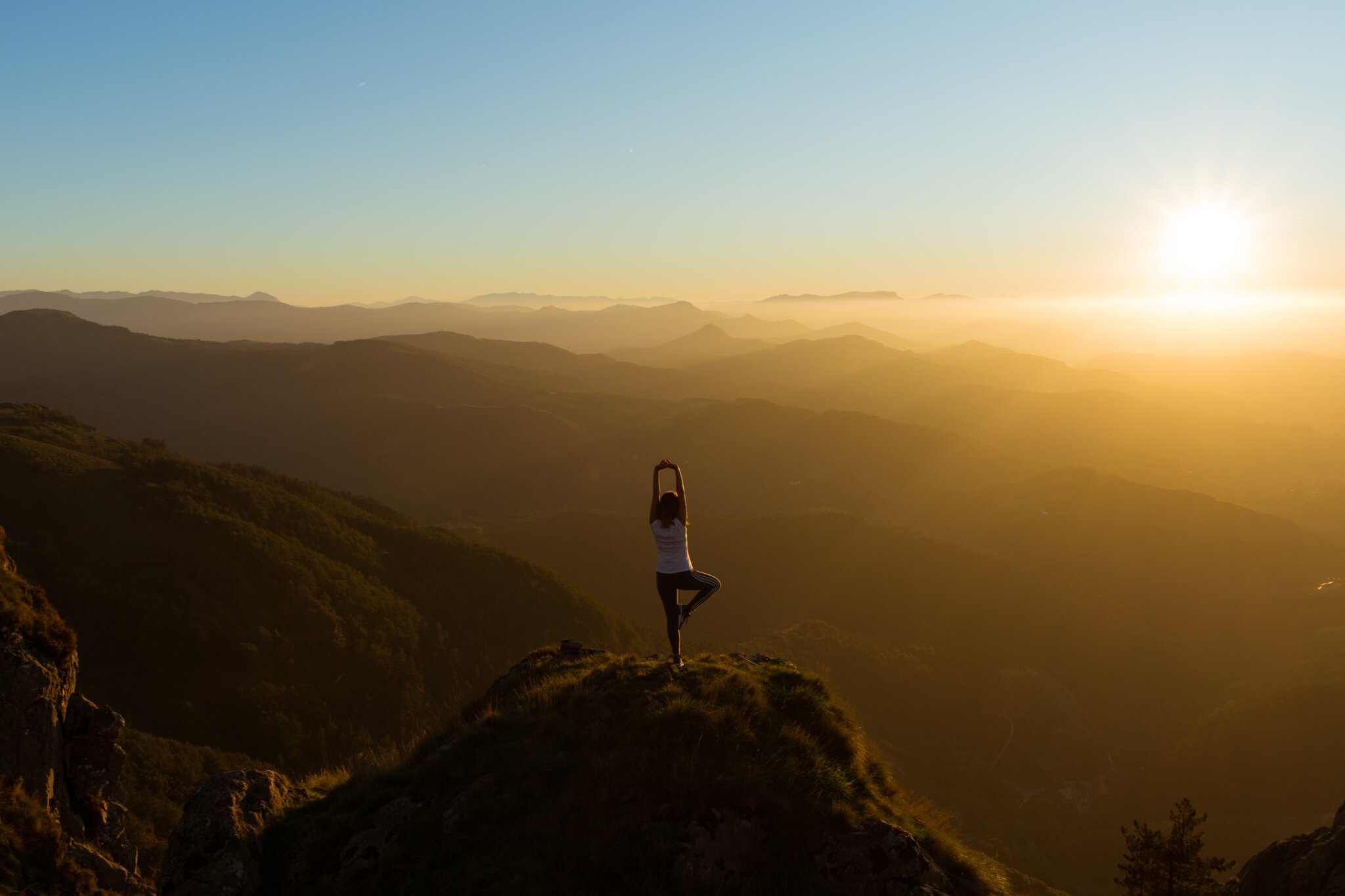
Photo by Eneko Uruñuela on Unsplash
Yin or restorative yoga focuses on holding fewer poses for extended durations. This gentle practice encourages deep breathing and allows for the stretching of muscles and connective tissues that may become tense during regular training.
Incorporating Gentle Stretching
I strive to integrate yoga or gentle stretching into my routine 2-3 times each week. Although our lives are busy, it’s feasible to manage 10 minutes of stretching while enjoying your favorite TV show.
Finding 10 minutes each day is achievable; it’s a matter of identifying and rearranging your time. Commitment and discipline are essential, yet the benefits to both your physical well-being and mental health are profound.
Exploring Resources
Determining which poses to practice and which resources to utilize can be daunting. Fortunately, there are numerous resources available, both free and paid, to maximize your yoga experience.
I recommend the Nike Training app, which offers a range of yoga sessions lasting between 5 to 45 minutes. This app provides guidance and is entirely free. Additionally, it features specialized programs like “Yoga for Runners,” promoting a consistent practice 3-4 times a week.
You can also find many free yoga videos on YouTube; however, the convenience of an app can streamline your practice without the hassle of sifting through countless options.
Yoga on Your Adventure
Interested in maintaining your practice after a long day on the trail? There are numerous simple yoga poses you can perform at your campsite. Outside your tent, consider poses such as Warrior, Forward Fold, and Tree Pose.
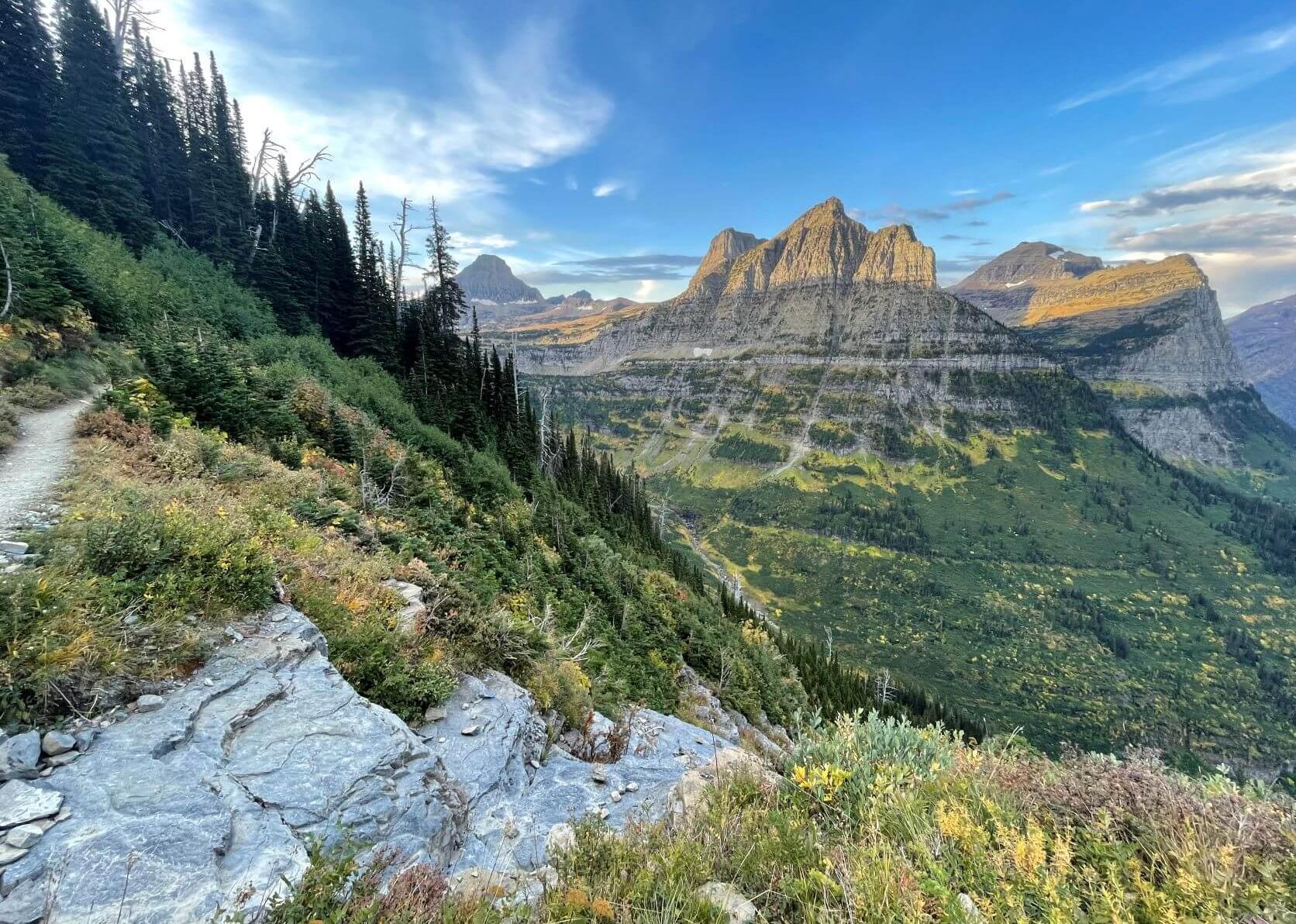
Photo by Elisabeth Wales on Unsplash
If you prefer to relax in your tent, consider poses like Gentle Twist, Cat/Cow, and Pigeon. No matter your location, you can dedicate 5-10 minutes to post-adventure stretches.
Importance of Stretching
You may question the significance of stretching. Can such a simple practice make a difference? Shouldn’t you concentrate on strength training?
While strength training is indeed vital, research indicates that athletes and adventurers who incorporate stretching into their routines experience a notable decrease in injuries.
Consider how tense your muscles feel after an extensive hike. This tightness places strain on the tendons and ligaments connecting those muscles, potentially leading to issues such as IT band syndrome, tears, and painful inflammation.
Stretching plays a crucial role in alleviating that tension, safeguarding your ligaments and tendons from overuse and damage.
Final Thoughts
Personally, yoga has become an integral part of my training regimen. It has alleviated the discomfort in my IT band during runs, while also serving as a meditative practice that enhances my mental health. This practice can be beneficial for you as well.
What are your training goals? Consider exploring these suggestions for the top bucket list marathons around the world.