For wildlife enthusiasts, Africa often emerges as the pinnacle destination. It presents one of the few remaining opportunities to observe magnificent species in their natural habitats. As a graduate student, I was fortunate to visit Durban, South Africa, while attending a conference in this enchanting country. Southern Africa is home to numerous remarkable cities, including Johannesburg, the largest, and Cape Town, a globally renowned tourist hotspot.
While Durban may not be widely recognized as a major tourist destination, its surrounding attractions make it a worthy visit. Visitors are advised to remain cautious; travel directly to intended destinations instead of wandering through city centers, where safety may be an issue. I had heard alarming accounts of thefts occurring even at stoplights. However, during my own exploration, including a visit to the vibrant multicultural city market, I never felt unsafe.
The optimal time to explore Durban is during its winter months when temperatures are milder. The city itself hosts various attractions, and road trips to nearby national parks provide even more sight-seeing opportunities.
City Bus Tour of Historical Sites
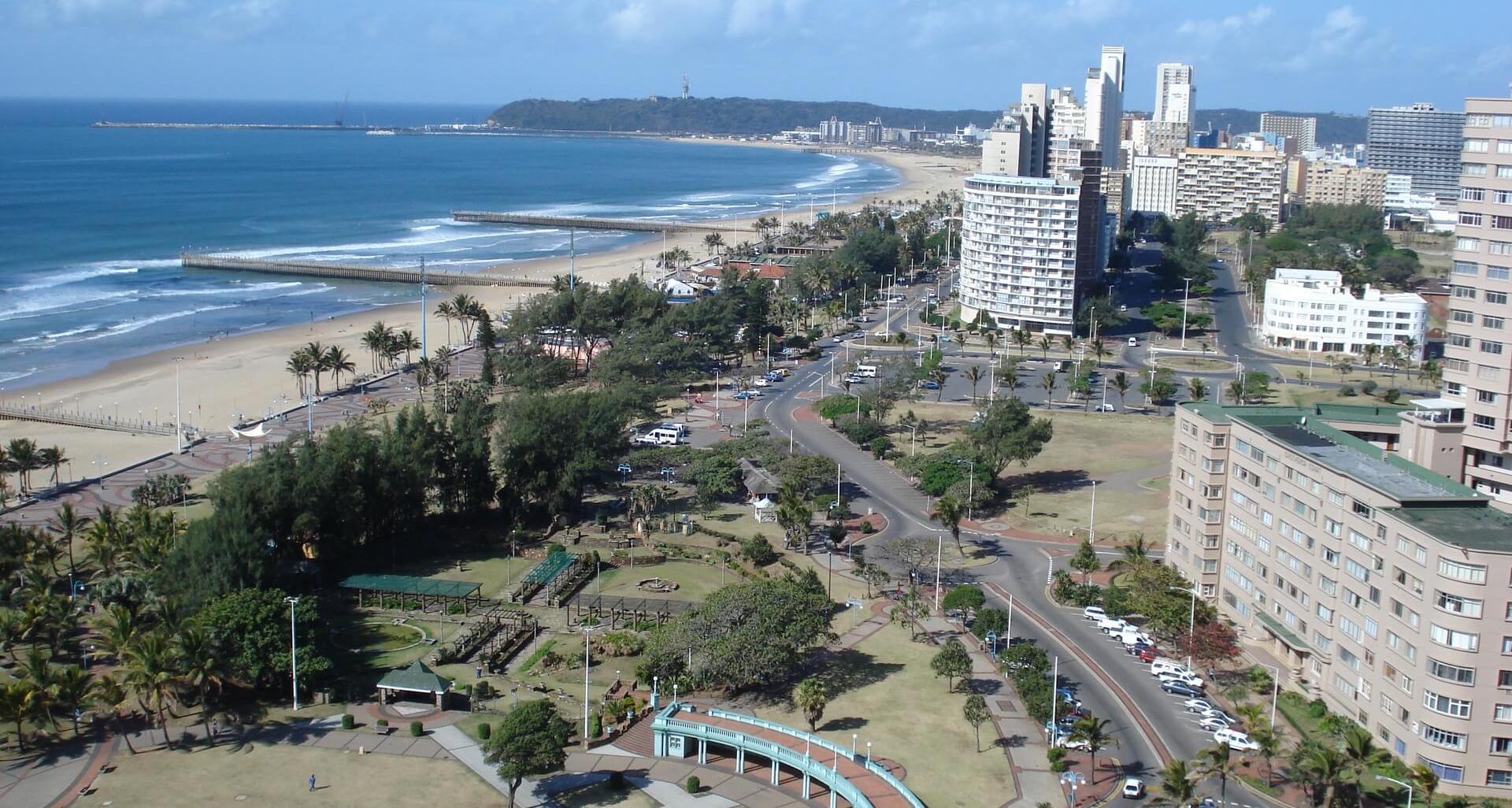
Durban boasts a unique Afro-Indian cultural blend and stunning sandy beaches. As South Africa’s third most populous city and its second largest manufacturing center after Johannesburg, it offers a rich historical narrative. I engaged in a city bus tour that provided profound insights into the region’s history and cultural heritage.

The tour encompassed stops at the Durban Botanical Gardens, which rank as both Durban’s oldest public institution and Africa’s oldest surviving botanical gardens. These gardens are rich in diverse plant species and serve as a habitat for various bird species. Strolling through this picturesque setting, we even encountered a wedding celebration.


Although I generally do not prefer such tours, the beach stop, along with the visit to the botanical gardens, made for an enjoyable experience.
Kruger National Park
This national park stands as the largest in South Africa, well-deservedly earning its place as a key tourist attraction due to its exceptional wildlife viewing opportunities. Visitors can choose between numerous game drives or embark on a self-drive safari, providing chances to observe the “Big Five” species and engage in bird watching, which adds to its allure.
Thula Thula

The Thula Thula experience commenced at their lodge, where patrons were welcomed with drinks for a fee and afforded panoramic views from the patio. The lodge also offers accommodation as well as camping options for those yearning for an authentic African safari experience.
During my visit, rangers discovered a deceased rhino that poachers had killed for its horn, underscoring the critical plight of this endangered species. Such experiences reveal that even within game reserves, challenges related to poaching persist.
On a safari jeep meandering through the reserve’s 55-square-kilometer expanse, we were fortunate to spot a remarkable variety of wildlife, including giraffes, wildebeests, zebras, nyala, and elephants. The sheer diversity of species and the breathtaking scenery were captivating. The elephants stood out as particularly majestic; observing a herd of females with their young was a striking experience, all while being mindful of nearby bull elephants.

While observing the herd, an imposing male approached our vehicle. Alerted by my exclamation, the driver swiftly turned the jeep on command, revealing urgency in his reaction. I was momentarily gripped with the thought that the vehicle might not start in time, leaving us vulnerable to this giant creature. Thankfully, as the engine roared to life, we escaped as the bull retreated. That experience certainly qualified as a close encounter with the local inhabitants!

The Thula Thula reserve revealed itself as a remarkable locale that must not be missed when visiting Durban. The stunning landscape and diverse wildlife, combined with the wintry climate that pleasantly contrasted with the natural beauty, firmly established this as one of my favourite destinations.
Hippo and Crocodile Boat Tour

This excursion proved to be a highlight of my trip. Participants board a pontoon boat, embarking on a two-hour expedition showcasing approximately 800 hippos, around 1,000 crocodiles, and an abundance of bird species.

The leisurely boat ride afforded us insightful commentary regarding local flora and fauna and the formidable nature of a hippo’s bite. This alternative perspective of wildlife observation emerged as a fantastic complement to the safari experience, showcasing an abundance of hippos.

Hluhluwe iMfolozi Game Reserve
My concluding tour was at Hluhluwe iMfolozi Game Reserve . This remarkable park spans 96,000 hectares and is renowned for its conservation efforts regarding rhinos, while also housing the African Big Five, including cheetahs and wild dogs. Visitors have the option of guided jeep safaris or self-driving through the well-maintained roads, allowing for ample wildlife sightings. Although I did not encounter the big cats, which are often seen during sunset or early morning tours, the overall experience was enriching.


This reserve offers a wealth of wildlife, though it can become crowded with vehicles when an interesting animal is spotted near the road, as everyone vies for the perfect photo opportunity. Overall, my visit left a lasting impression.


Throughout my various tours, I spent approximately $400 CAD, which included some meals and transport services. This investment proved worthwhile, revealing Durban as a greatly underrated city. With its nearby wildlife reserves, a thriving urban atmosphere, and exceptional beaches ideal for surfing, it offers much to discover.
Concluding Insights
Durban serves as an excellent base for embarking on day tours to nearby national parks. Surrounded by breathtaking natural landscapes and inhabited by friendly and knowledgeable locals, it is a haven for travelers. With an abundance of scenic beauty and notable attractions, one could spend weeks exploring without seeing it all. For those venturing to the African continent in pursuit of bucket list adventures, consider my experience with gorilla trekking in Uganda for further inspiration.