
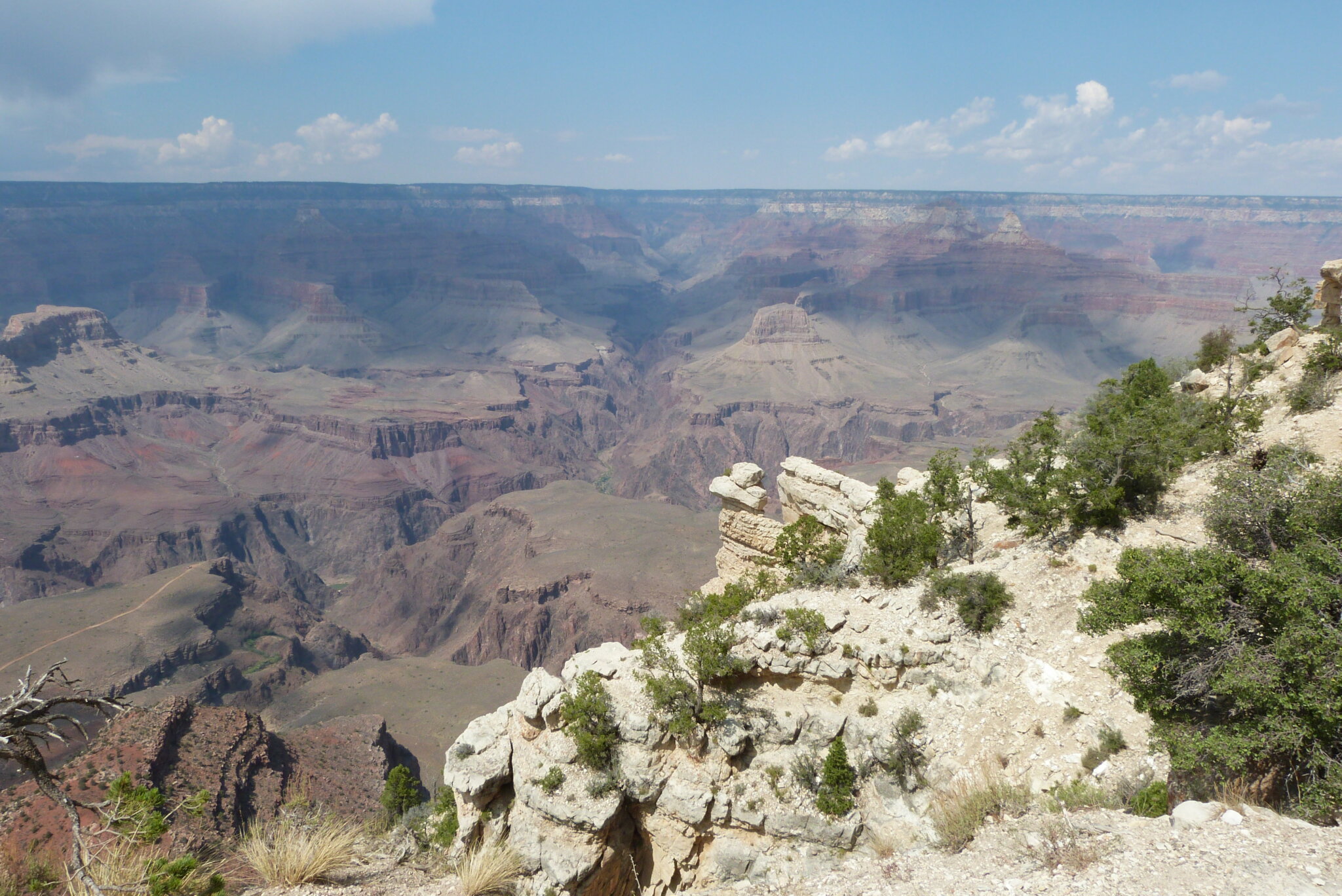
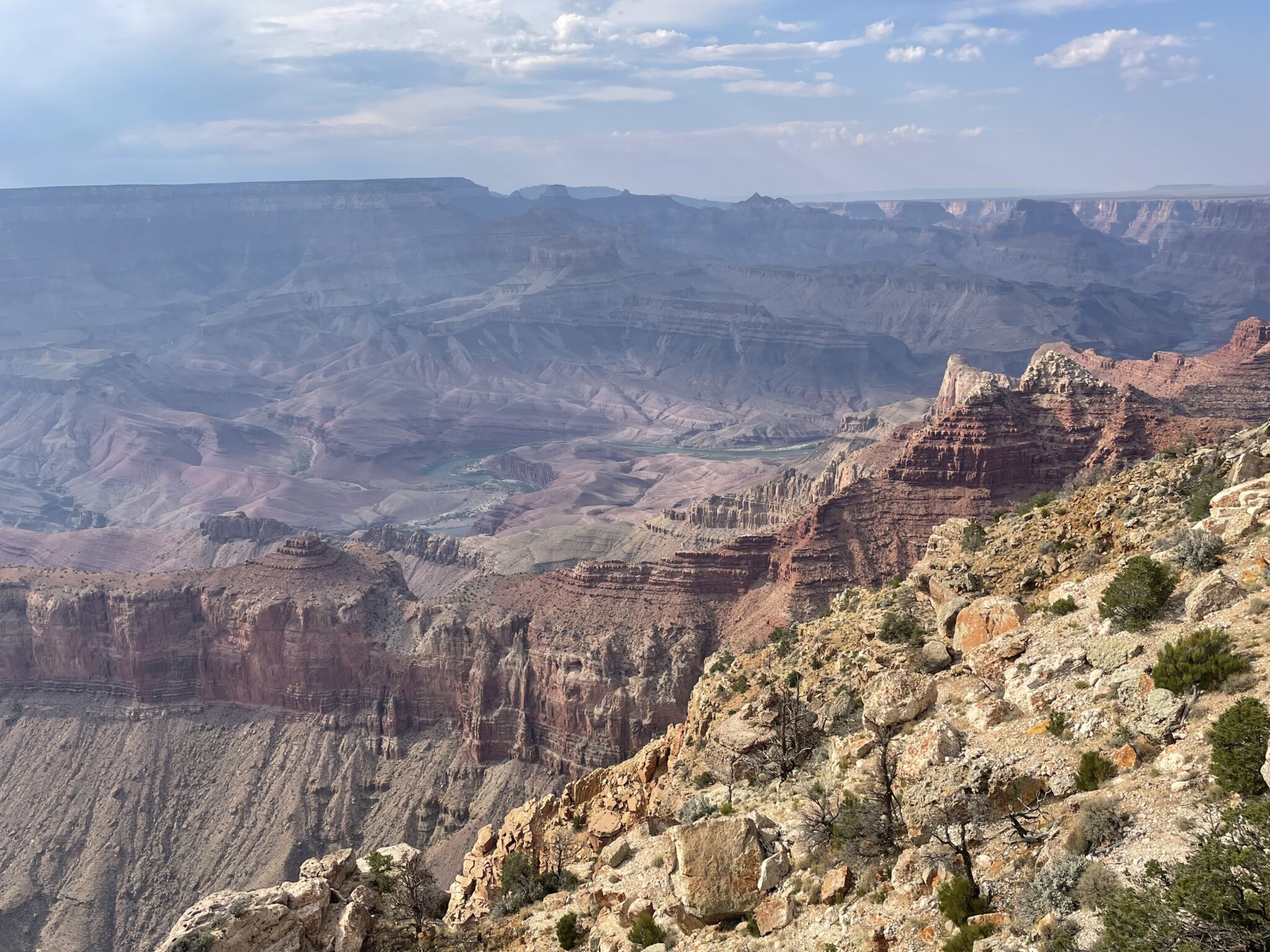
Grand Canyon National Park is not just a picturesque destination but also ranks as one of the seven natural wonders of the world. With diverse activities available, visitors can hike along the rim, kayak on the Colorado River, or enjoy scenic drives with various pullouts. It truly offers something for everyone.
Essential Information Before Your Visit
The Grand Canyon is managed by the National Park Service, necessitating a pass for entry. An America the Beautiful Pass suffices, or you may pay a fee of $35 per vehicle upon arrival.
Attracting over five million visitors annually, the Grand Canyon does not require reservations or timed entries, setting it apart from some other national parks—at least for now.
The park operates year-round and is interconnected by free shuttle buses. Visitors should note that weather may affect shuttle availability, and transit across the park can take several hours. For those considering a rim-to-rim hike, parking at the North Rim and taking a shuttle to the South Rim is advisable, as this journey can take about four hours.
Optimal Visit Times
Summer months see the highest visitor numbers, with families flocking during school breaks. However, the extreme heat, soaring above 100°F, poses health risks and should not be taken lightly. Despite this, summer remains the peak season.
The National Park Service suggests visiting mid-week and avoiding Memorial Day to Labor Day for a more enjoyable experience, especially if planning to hike. A backcountry permit is required for those hiking into the canyon, and summer hiking is discouraged due to the dangers of heat-related illnesses.
Times of cooler temperatures offer a much more pleasant experience, allowing for extended enjoyment of the canyon’s breathtaking beauty.
One-Day Itinerary at the Grand Canyon
If you have just one day to explore the Grand Canyon, consider visiting notable viewpoints and easy walking paths, or embark on a day hike, such as the renowned Bright Angel Trail.
Yavapai Point Overlook is a must-see location, boasting some of the finest views of the canyon. Plenty of parking is available, but expect crowds in this popular area.

A paved rim trail offers stunning vistas and leads to several overlooks. Additionally, visitors can explore the small Yavapai Geology Museum, located a brief walk from the parking area. The trail extends for miles, enabling a leisurely exploration.
Other points of interest include Grandview Point and Lipan Point, both situated on the South Rim. Although brief stops, they provide unique perspectives of the canyon. Grandview Point features a trail that descends steeply into the canyon, historically utilized for copper mining and known for its captivating views.

Other noteworthy locations include the Grand Canyon Visitor Center and the Grand Canyon Village. However, be advised that the Visitor Center often becomes overcrowded, which may hamper the experience. If time is limited, consider focusing on the park’s natural beauty instead.
Multi-Day Hiking Adventures
Exploring the rim trail provides a satisfying experience, but there are numerous multi-day hiking options in this expansive national park, many requiring advance permits.
The ultimate experience often entails a rim-to-rim hike descending to the canyon floor. Some opt for a challenging one-day trek, while others enjoy a leisurely approach with an overnight stay at Phantom Ranch. Taking your time through the canyon allows for a deeper appreciation, with early fall presenting particularly favorable temperatures for hiking.
The Bright Angel Trail ranks among the most popular hikes, leading adventurers in the footsteps of indigenous peoples who once inhabited the canyon before displacement following the land’s acquisition by the National Park Service. Prepare for a strenuous return hike if you venture deeper.
Descent into the canyon is relatively easy; however, the climb back up can prove challenging. The main route extends to Plateau Point at 12 miles in with various stopping points, such as Havasupai Gardens. It is advisable to consult with park rangers regarding trail conditions, required permits, and any closures prior to your hike.
Final Thoughts
Located in northern Arizona, a road trip that includes the Grand Canyon is an exceptional opportunity to explore this magnificent region. Allow ample time to truly absorb one of the world’s seven natural wonders.
Moreover, consider extending your journey to experience additional sights, such as a trip to Antelope Canyon, where nature’s artistry continues to amaze.