Monkey exhibit
“If we can teach people about wildlife, they will be touched. Share my wildlife with me. Because humans want to save the things they love.” – Steve Irwin
Conservation Efforts at Prague Zoo
When envisioning Prague (or Praha), a zoo may not be the first thought that comes to mind. However, the city is home to the 5th best zoo globally, making significant strides in conservation.
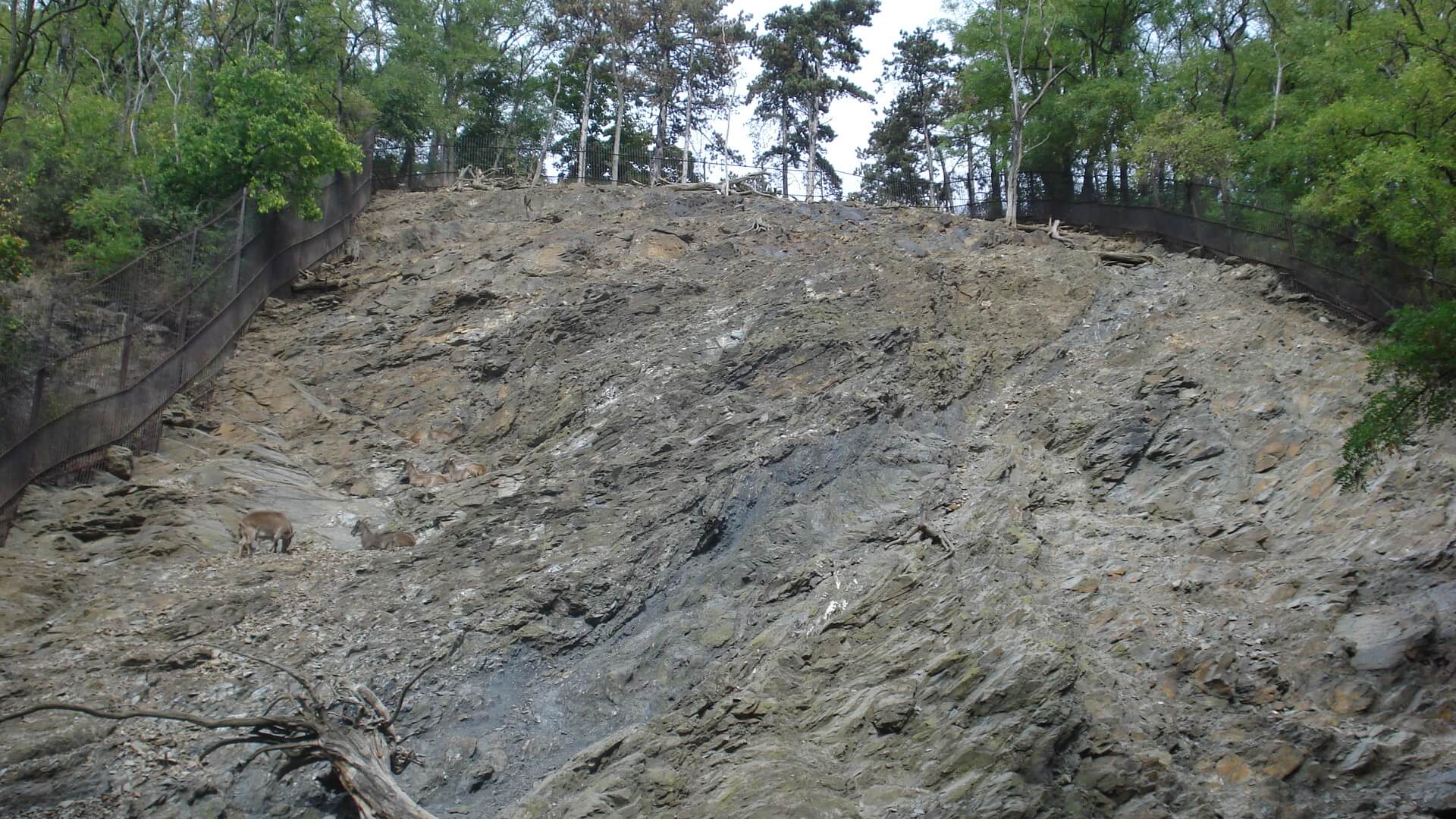
This zoo stands out uniquely, having spent three weeks during my veterinary schooling at the highly regarded San Diego Zoo. The architects of Prague Zoo have meticulously designed exhibits that closely replicate the natural habitats of the animals.
Unique enclosures replicate the animals’ natural habitats beautifully (Can you spot the animals?)
Although zoos sometimes encounter negative perceptions, consider this: Would you have developed an interest in these species without ever witnessing them in captivity? If they all remained wild, how could one foster a desire to protect them?
Numerous zoos, particularly those recognized for their excellence, engage in extensive conservation efforts worldwide. They travel internationally to research endangered and threatened species, aiming to safeguard these invaluable creatures.
My visit to the Prague Zoo in 2009 left a lasting impression due to its beauty and distinctiveness. The opportunity to enter the lemur exhibit and interact with these lively creatures set it apart from any other zoo experiences.
Getting up close and personal with the lemurs
This interaction is not without risks; visitors are prohibited from chasing or touching the animals to prevent injuries. Lemurs are still wild creatures, but this proximity enriches the experience of observing their playful yet elusive nature.
Another noteworthy exhibit is the bat cave, where these creatures have the freedom to fly within the building. Initially, thoughts of rabies arose, yet the bats maintain a distance, avoiding any entanglement or disturbance to visitors.
The Statistics
The zoo spans 58 hectares, with 50 hectares designated for its 150 exhibits, housing more than 5,000 animals from 676 distinct species, of which 563 are classified as endangered and included on the IUCN Red List. In 2018, the zoo celebrated the successful birth of 1,340 young animals.
Flamingos and their offspring
Engagement in Global Conservation
The zoo participates in various conservation initiatives across the globe, including:
Reintroduction of Przewalski’s Horses to Mongolia
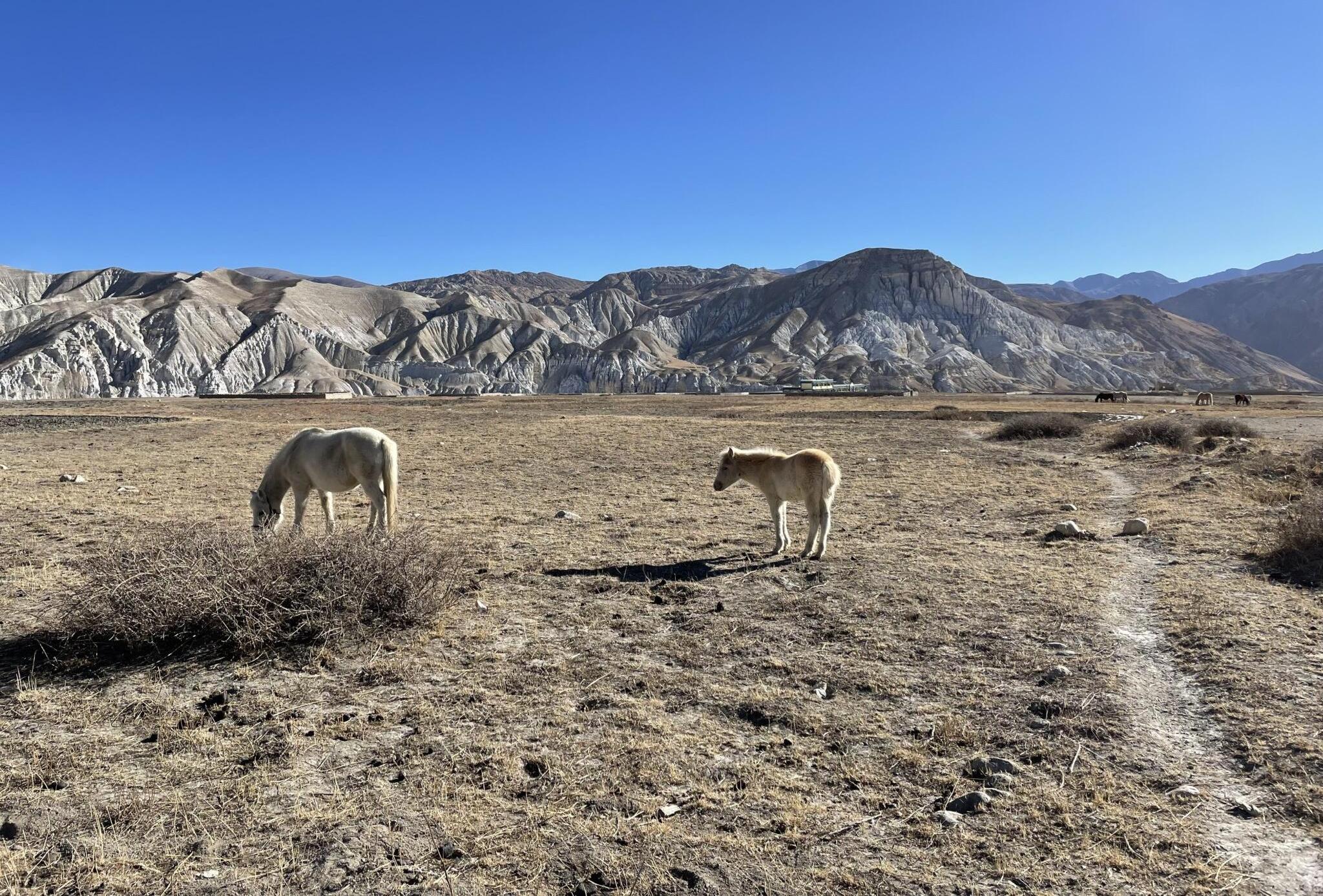
The Przewalski’s horse, a unique subspecies of wild horse, was documented by Russian explorer N.M. Przewalski in the late 19th century. Once inhabiting the Mongolian-China border, this species faced extinction in the wild during the 1970s.
Having been preserved and bred in captivity, efforts are now underway to reintroduce these horses to their natural habitat, with Prague Zoo leading initiatives since 1998, contributing four horses for such reintroduction.
Over time, the need for enhancing genetic diversity became evident, prompting the zoo to organize transports independently, positioning itself as a pioneer in this undertaking.
Palm Oil Awareness
Prague Zoo recognizes the critical issues surrounding palm oil production and its consequences for Orangutan habitats. In a collective effort, zoos are advocating for sustainable palm oil farming and conservation practices.
The complexity of this issue arises from its economic benefits versus the extensive deforestation caused by agricultural expansion. In response, the Prague Zoo developed a dedicated palm plantation exhibit in 2014, educating visitors on the associated impacts and encouraging ethical purchasing decisions.
Conservation of the Egyptian Vulture
Recent tragic news revealed that poachers had laced a deceased elephant with poison, resulting in the deaths of 530 endangered vultures in Botswana during the breeding season. This incident underscores the precarious position vultures occupy as nature’s clean-up crews, thus amplifying the repercussions of such events on their dwindling populations.
The Egyptian vulture, a small species prevalent in Europe, has seen a 50% decline in breeding pairs in recent years. Over the past decade, Prague Zoo has taken the lead in breeding efforts, focusing on releasing and re-establishing these vultures within their native range.
How You Can Contribute
Prague Zoo offers numerous avenues for supporting conservation initiatives. Proceeds from purchases made within the zoo contribute directly to these funds. Additionally, visitors can adopt an animal, emulating similar programs established by organizations like the World Wildlife Foundation (WWF).
Engaging with the zoo through visits not only promotes awareness but also aids in the resurgence of several critically endangered species. As an advocate for these conservation efforts, my support stems from a personal connection as a veterinarian and scientist.
Languid male lion alongside his watchful companion
How will you make a meaningful impact? Share your experiences related to zoos. While not all zoos are created equal, thorough research enables support for reputable organizations that are making a difference in conservation. Their acclaim on a global scale is well-deserved.
For additional information on how to get involved, consider visiting the Prague Zoo website.