For those planning a visit to the Salt Lake City area or nearby towns such as Ogden, dedicating a day to Antelope Island State Park is highly recommended.
Situated in the heart of the Great Salt Lake, Antelope Island State Park stands as the largest island in the lake and is a remarkable destination for exploration.
History of Antelope Island State Park
Antelope Island, named by John C. Fremont in 1845 after the animals harvested there, has a rich and varied history that predates its establishment as a Utah state park in 1993.
Historically used by indigenous tribes, the island transitioned through several ownerships, being utilized for ranching and slate mining before its designation as a state park. Visitors today can find remnants of its storied past, such as the historic Fielding Garr Ranch, which offers self-guided tours, restroom facilities, and picnic areas.
The waters surrounding the island are populated with brine shrimp, which are harvested for aquaculture and aquariums globally. Seasonal water level fluctuations reveal patches of brine shrimp along the shoreline. Additionally, the sandy beaches attract numerous visitors during summer months.
Best Time to Visit
Early spring and summer are excellent periods to visit, thanks to the warm waters and ample camping opportunities. However, as this is a popular destination in summer, it is advisable to secure your campsite early. The park remains accessible year-round, making fall and winter attractive alternatives for those seeking to avoid the crowds; visitors at these times will enjoy fewer pests and less foot traffic on the trails. Nonetheless, be prepared for snow at higher elevations during winter months.
Wildlife Viewing
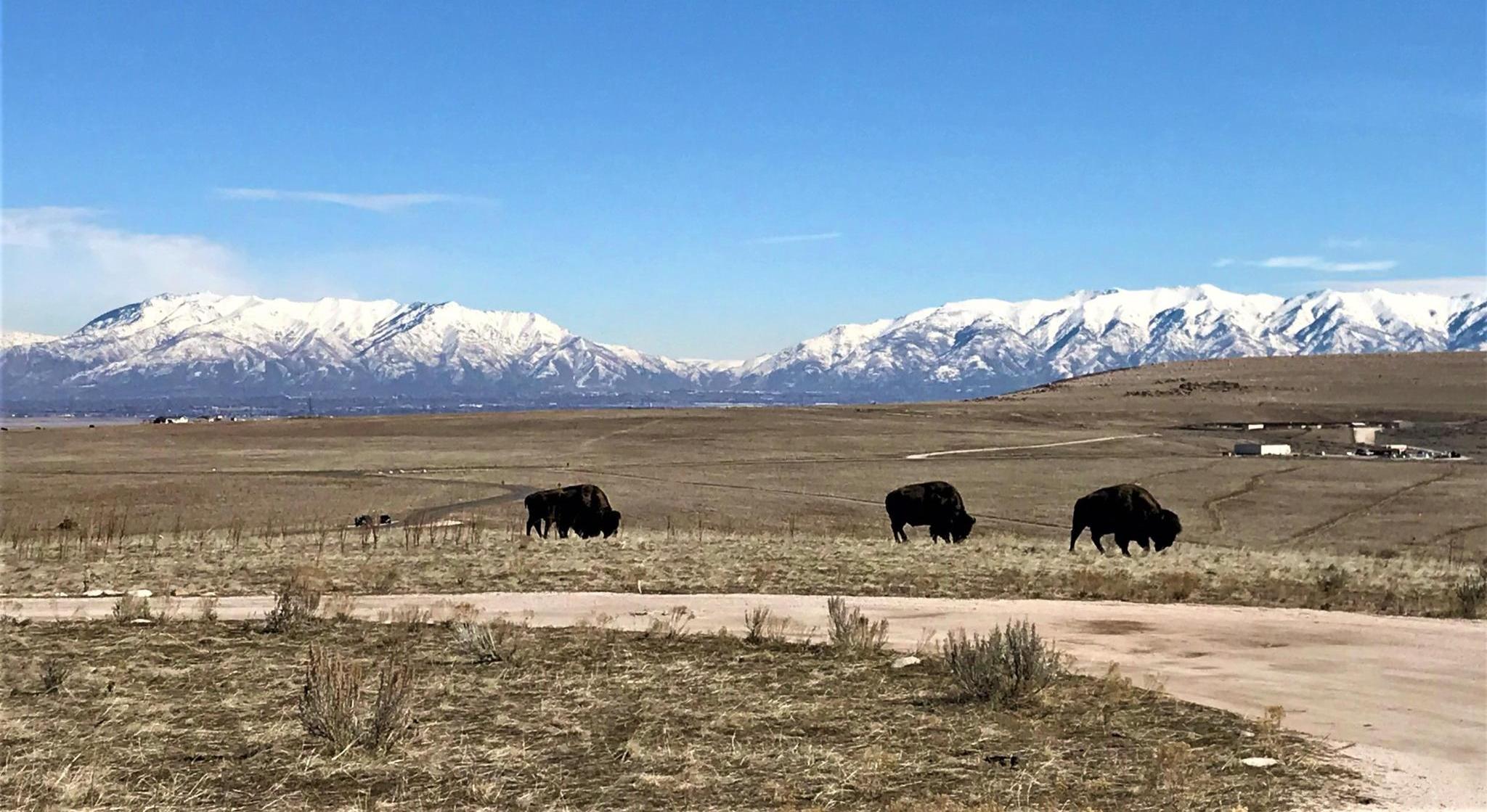
One of the highlights of Antelope Island is undoubtedly its diverse wildlife. In 1893, twelve bison were introduced to the island, followed by mountain sheep and pronghorn antelope shortly thereafter. By 1911, the bison population had grown to 100, establishing one of the largest herds in the United States.

Upon the park’s opening in 1993, Pronghorn sheep were introduced, followed by 23 Bighorn sheep in 1997; unfortunately, these did not survive due to illness, likely transmitted by domestic sheep. In contrast, Hells Canyon has maintained its Bighorn sheep population, which continues to thrive.
The abundance of wildlife initially surprised me; I was uncertain about what to expect. However, upon crossing the causeway that leads into the park, we encountered bison, antelope, and a variety of bird species.

Wildlife management on the island is proactive. Each year, park staff conduct a bison roundup to monitor the health of the population and ensure its sustainability by relocating several animals annually. Without effective management, overpopulation could lead to significant health issues and resource depletion in this limited habitat.
Hiking Trails
Antelope Island offers a variety of hiking, mountain biking, and horseback riding trails, making it a popular spot for outdoor enthusiasts, particularly in the summer months. If you’re unsure where to begin, park rangers at the visitor center are available to help you select a suitable trail.
With numerous trails catering to all skill levels, visitors can choose from a one-mile easy hike to Lady Finger Point, a short 0.4-mile hike to Beacon Knob Spur, a family-friendly 0.9-mile Buffalo Point trail, or the more challenging Frary Peak Trail, which spans 3.5 miles one way with a 2,100-foot elevation gain. As the highest point on Antelope Island at 6,596 feet, Frary Peak presents breathtaking views of the lake and northeastern Utah’s mountains.
The 11.4-mile Mountain View Trail follows the shoreline and offers stunning mountain views. Additionally, dogs are welcome on many trails, enhancing the outdoor experience.
While it’s feasible to enjoy all that Antelope Island offers in a single day, planning ahead is essential, especially considering seasonal variations. For example, Frary Peak Trail may be snow-covered in winter, necessitating preparation or postponement of the hike.
If you’re looking for a single trail to explore, the White Rock Loop presents excellent views of both sides of the island and is not particularly challenging. For those who prefer not to hike, several trails accommodate horseback riding, and numerous lookout points are accessible by car.

Island Logistics
Amenities
During the summer, visitors can enjoy a beautiful beach area, complete with showers and a small restaurant known as Island Buffalo Grill; however, the grill operates seasonally and is closed during the winter months.
Upon arriving at the island, guests will find a visitor center offering restrooms and comprehensive information about the park.
Entrance Fees
Entrance fees are $8 per vehicle, accommodating up to eight passengers. Seniors can access the park for $5 per vehicle.
Hours
The park is open from 6 a.m. to 10 p.m. from March to October, and from 6 a.m. to 6 p.m. from November to February. Note that the park is closed on Thanksgiving and December 25th.
Directions
Antelope Island State Park is located 41 miles north of Salt Lake City. The sole access route to the island is via the Davis County Causeway (Antelope Island Road), which is straightforward to locate using GPS.
Where to Stay
Camping
Summer presents an opportunity to camp at several campgrounds, allowing for complete immersion in hiking and wildlife experiences on Antelope Island.
Bridger Bay Campground and White Rock Bay Campground
These campgrounds offer 47 sites equipped with picnic tables, fire pits, and vault toilets.
Ladyfinger Campground
This campground features five sites, providing picnic tables and tent pads, though open fires are prohibited, and vault toilets are available.
Concluding Thoughts

Antelope Island is a beautiful gem that can offer several days of exploration or serve as a perfect day off from skiing at the nearby mountains. This park is a striking nature refuge in the midst of a salt-laden lake and is indeed a must-visit destination.
For further trip planning details, consider visiting the official website .