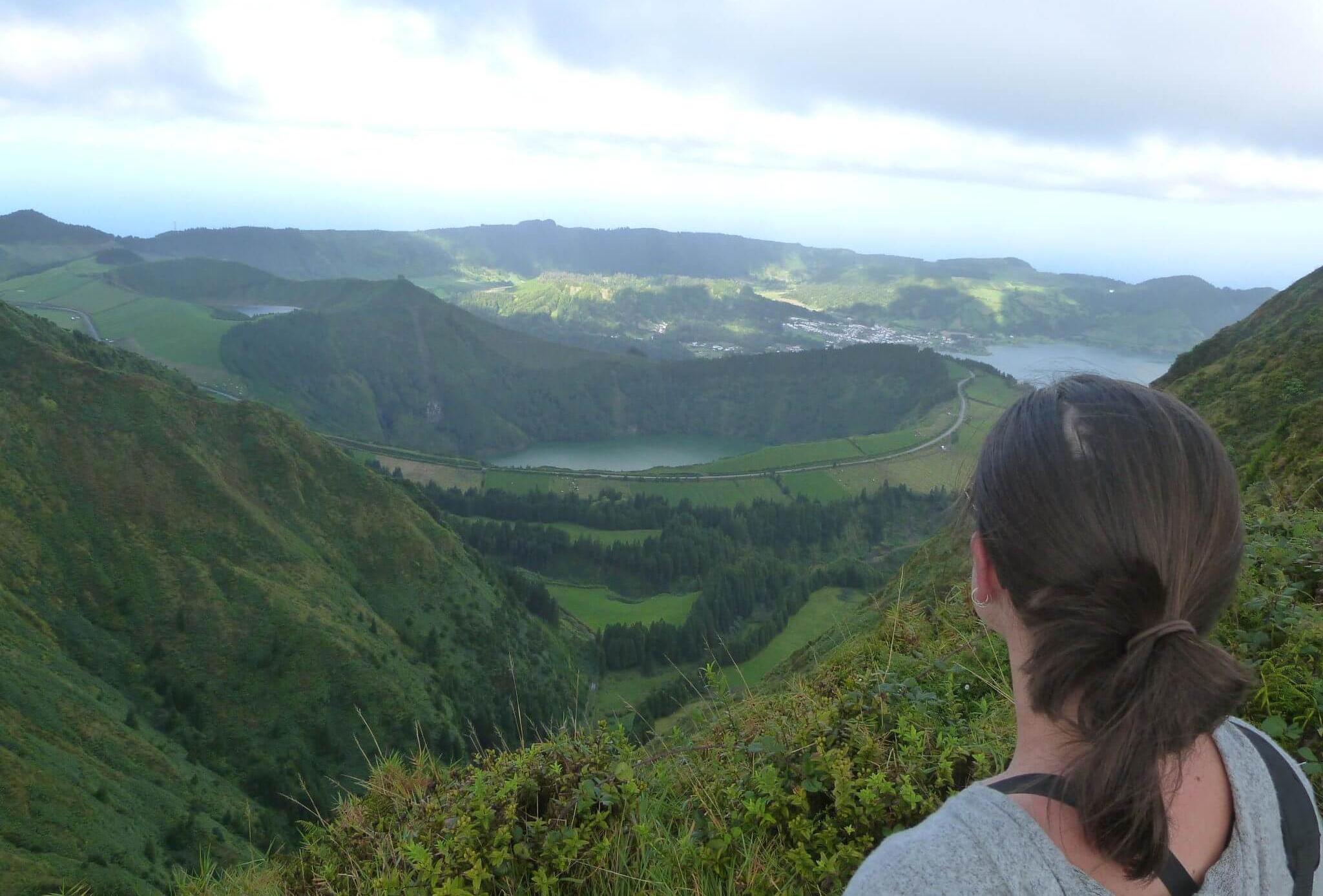
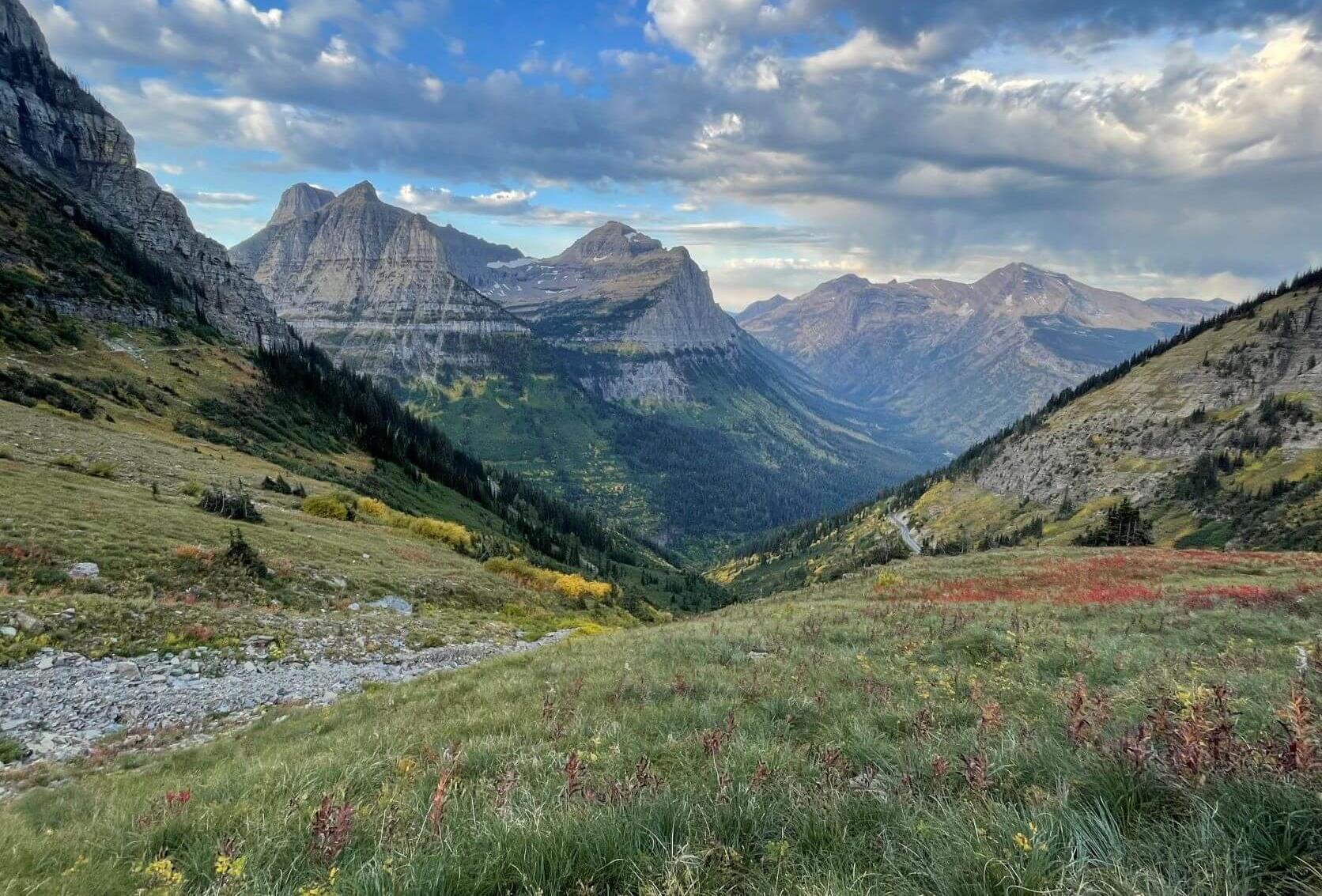
visiting the forbidden kingdom of Lo Manthang
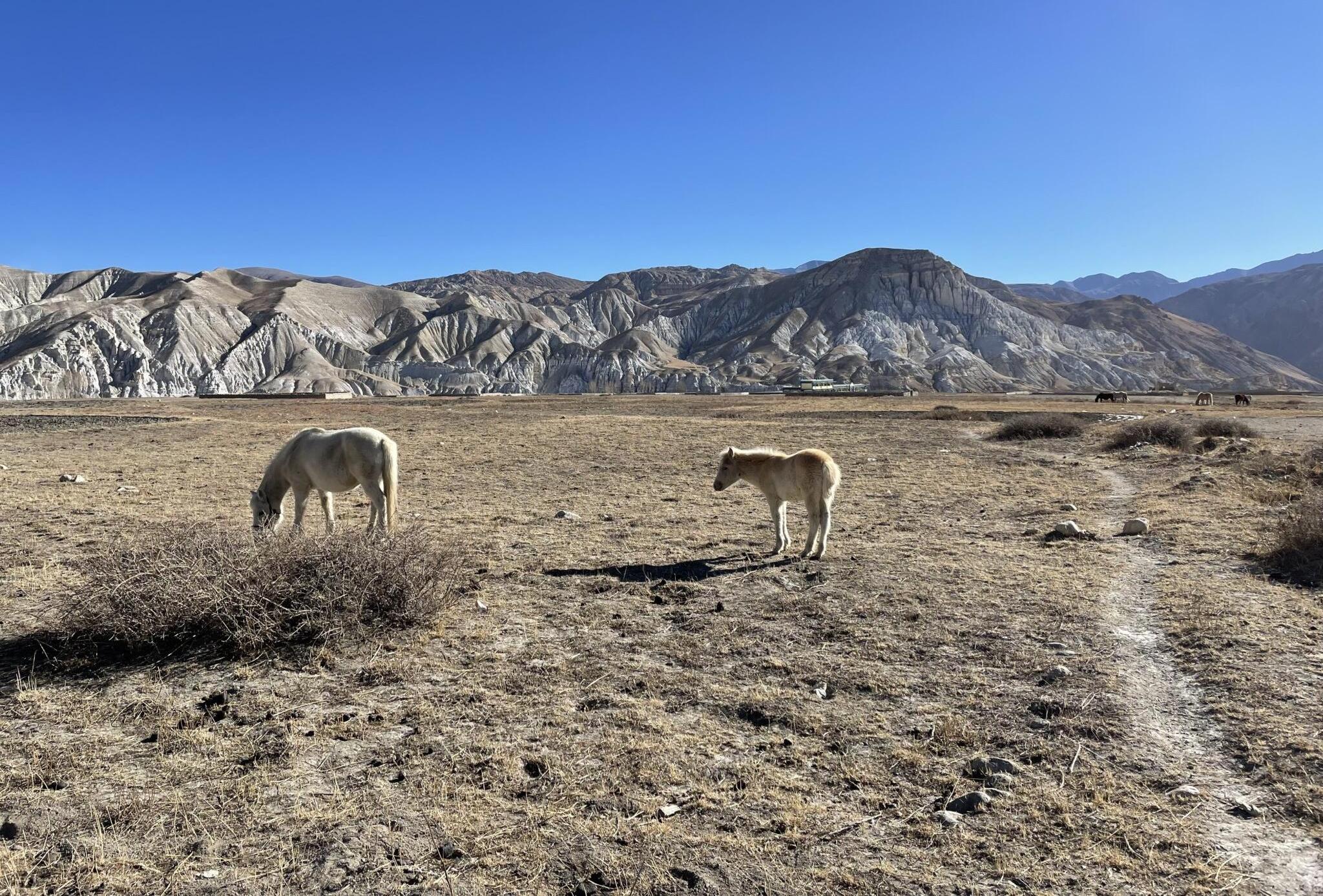
The Upper Mustang region is one of Nepal’s most distinctive areas. While access can be challenging due to rough roads leading to the remote village of Lo Manthang, the journey is undeniably rewarding.
The residents of this region lead austere lives, tending to livestock, utilizing cattle dung for heating their homes, and facing isolation during the harsh winter months. Their existence is marked by basic amenities: rudimentary sanitation, limited heating, and water that must be transported from afar.
Despite these challenges, the inhabitants are remarkably kind, supportive, and optimistic.
Our homestay guide, Tashi, and his wife exemplified this compassion. Tashi accompanied us to collect samples for a snow leopard study, navigating daunting ridges, visiting local farms, and sharing his invaluable knowledge.
During our conversations, Tashi highlighted the area’s evolution, noting that younger generations are less inclined to pursue traditional farming. They now integrate modern farming tools and procure food from external sources, catering instead to tourists exploring the breathtaking landscape.
things to do in Lo Manthang
When I inquired whether he welcomed these changes, Tashi expressed enthusiasm, citing how the transformation had alleviated daily hardships, allowing for improved living conditions. He noted that the community no longer struggles as intently for survival; children are receiving better education and healthcare. Moreover, Tashi enjoys meeting the visitors who arrive in his village.
As travelers, it is natural to be concerned about how our presence can alter local customs and lifestyles. However, it is worth acknowledging that some changes may foster positive developments, contributing to prosperity in an area as challenging as Lo Manthang.
A visit to this region promises an unforgettable experience, rich in diversity and culture. For those considering a journey to Upper Mustang, here is what to anticipate.
History of Lo Manthang
Lo Manthang, the walled capital of Upper Mustang, retains a semblance of its traditional monarchy, although its influence has waned compared to earlier times. The royal palace remains a prominent structure within the city; however, the royal family has relocated to Kathmandu. The area is often referred to as the Forbidden Kingdom, as it was closed to foreigners until 1992.
Tibetan Buddhism remains the predominant religion, with remnants of ancient monasteries still visible throughout the region. Currently, the only operating monastery resides within the walled confines of Lo Manthang.
Buddhist monasteries
While traditional ways of life continue to persist, recent advancements such as electricity, solar energy, and modern agricultural practices are gradually transforming daily existence. Although many residents still rely on livestock and use cow dung for heating, this once isolated region is gradually embracing elements that ease their daily lives.
How to Get to the Forbidden Kingdom
Traveling to Lo Manthang necessitates obtaining two special permits: the Annapurna Conservation Area Project (ACAP) permit and the Restricted Area Permit (RAP). The ACAP permit generally costs around $25-30, while the RAP is approximately $500 if there are multiple individuals. Current regulations stipulate that travelers must be accompanied by a guide and that at least two foreign visitors are required.
For solo travelers, applying for a ghost permit, priced at $1,000, may be necessary. This option can be complicated and is not guaranteed; therefore, joining a group or finding at least one other foreign traveler can simplify the process.
permits for Lo Manthang
The area is nestled beyond the Himalayan mountains and occupies part of the Tibetan plateau. The flat terrain, at approximately 3,800 meters (12,500 feet), can present challenges particularly during winter. It is advisable to rent a four-wheel-drive vehicle for navigation; however, due to the poor road conditions, hiring a local driver adept in maneuvering these routes is recommended for safety.
Best Time to Visit Upper Mustang
This high-altitude desert environment experiences severe winters. Climate change has resulted in notable shifts, such as reduced snowfall and milder temperatures, thus allowing for the cultivation of a broader range of crops including apples.
The ideal visiting period is between April and June, before the onset of the monsoon season, when the region flourishes with blooming flowers and vibrant greenery. In contrast, during the winter months, the landscape turns stark, with trees denuded and the environment appearing largely brown.
Winter temperatures can plunge to -20 degrees Celsius at night, and many accommodations lack effective heating. Consequently, visitors should be prepared with warm layers and the cozy blankets provided. Spring and summer provide a much more pleasant climate for exploration.
Accommodations in Lo Manthang
For an authentic experience, consider homestays with local families. Although limited hotel options exist within the city, many establishments close during the winter as a significant portion of the population migrates to areas like Pokhara and Kathmandu. During this season, accommodation rates tend to be higher.
best hotels in Lo Manthang
For a more familiar experience, you can check room rates at various hotels through platforms like Hotels.com. Finding homestay options may be more challenging, and it might be best to inquire upon arrival to see what is available. The area experiences increased tourism during the Tiji festival, making it advisable to arrange accommodations in advance during this peak time.
I had the pleasure of staying with an exceptionally hospitable couple; Tashi proved to be an invaluable host, guiding us throughout the region and sharing insights about his home.
Activities in Upper Mustang
Experience the Tiji Festival
The Tiji Festival, rooted in Tibetan Buddhism, symbolizes prayers for peace in the world. This tradition, originating over 300 years ago, celebrates Dorje Jono, a deity who overcame evil to ensure prosperity in the region.
Each May, monks from Chhode monastery perform a special Vajrakila ritual over a three-day period filled with prayers, chants, and traditional dances.
Explore Ancient Monasteries
Venture outside the city to witness stunning landscapes while walking to the ornate caves that once housed Buddhist monks. Though presently inhabited by snow leopards and sheep, this route along the river is a sanctuary for diverse wildlife, making binoculars a worthwhile companion.
On the way back, stop at the hot springs and spend the rest of the day relaxing in the sun.visiting hot springs in Nepal
Trekking Adventures
For avid trekkers, numerous hiking trails abound in this area. During the blooming season, take the opportunity to immerse yourself in the region’s stunning natural beauty, experiencing firsthand why the residents of Lo Manthang cherish their homeland.
Consider embarking on the 18-day Upper Mustang Trek, which showcases a remarkable diversity of landscapes from Jonsom to Lo Manthang, providing a thorough insight into Upper Mustang.
On the way, make sure to visit Muktinath Temple, one of the most important temples in the region that is both a Hindu and Buddhist temple. Bathe in the 108 water taps surrounding the temple and walk through the Buddhist garden. It is a must stop along the way to the Forbidden Kingdom.Muktinath temple Upper Mustang
Concluding Thoughts
The Upper Mustang region is truly extraordinary and remains largely unexplored by many foreign visitors. While travelers often gravitate towards the Everest (Sagarmatha) region or plan hikes along the Annapurna Circuit, Nepal offers an array of unique destinations that enrich the experience of this remarkable country.
bucket list destinations in Nepal
From Everest Base Camp to Chitwan National Park, the Forbidden Kingdom of Lo Manthang is indeed a jewel in Nepal’s crown, appealing to adventurers seeking remarkable and diverse experiences.