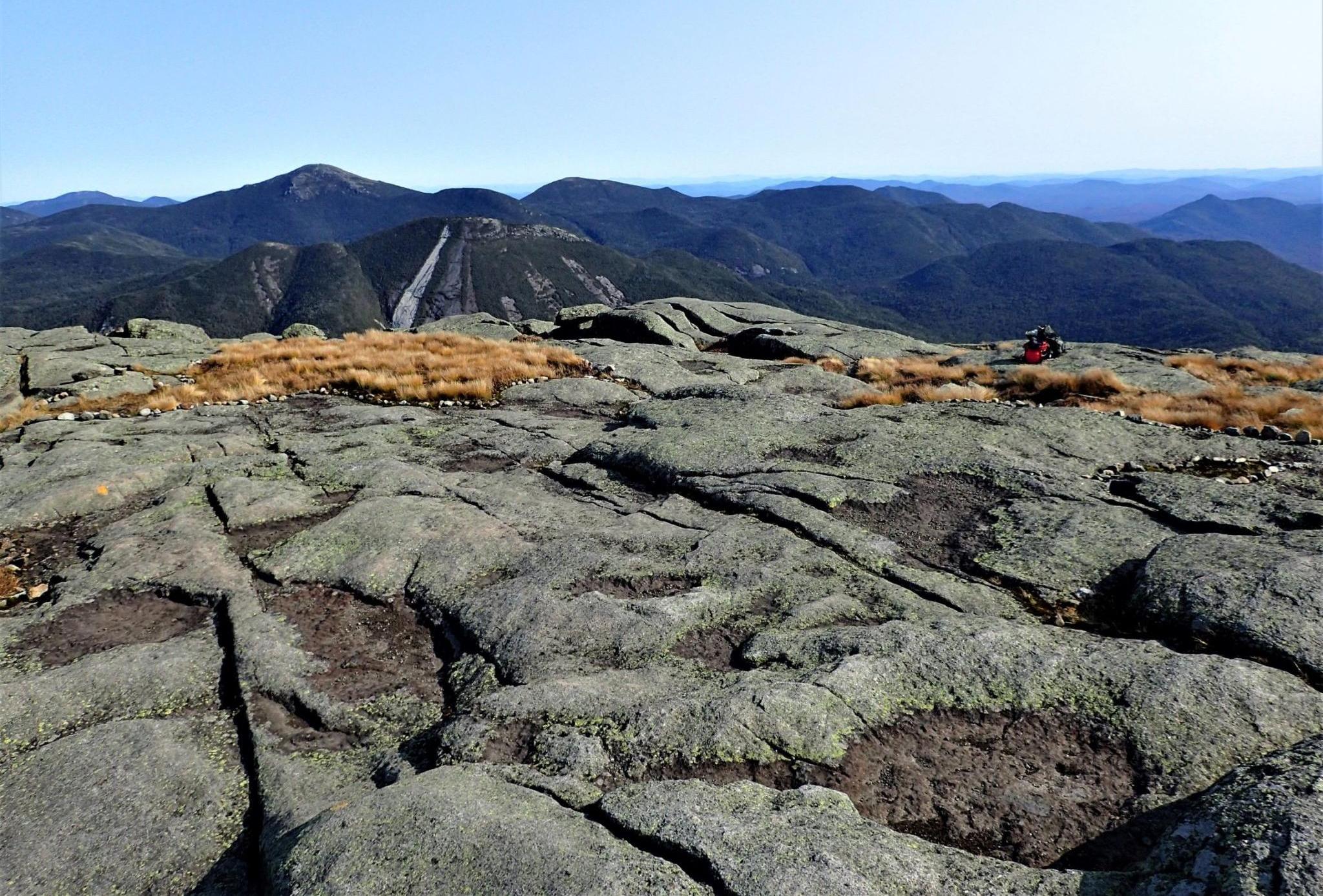
The High Peaks Wilderness Area is the largest wilderness area within the Adirondacks of New York State and one of the most pristine forests on the East Coast of the United States. Spanning 275,460 acres, this section attracts thousands of visitors weekly, all seeking breathtaking 360-degree views from the summits of the Adirondack mountains. A key goal for many is summiting all 46 High Peaks, with Mount Marcy standing as the tallest at 5,344 feet.
Visitors can opt for a day trip or embark on longer expeditions to explore the extensive network of trails available.
Understanding the Adirondack High Peaks
The High Peaks, situated in Essex and Franklin Counties, comprise the 46 highest peaks in the Adirondacks, each exceeding 4,000 feet. While peak bagging remains a primary attraction for many hikers, alternative trails such as the less-traveled Indian Pass Trail offer scenic, tranquil outings that allow for a quieter experience.

For a comprehensive listing of the High Peaks, refer to this website .
Preparation for Your Journey
When planning a multiday adventure in the High Peaks region, there are essential considerations to ensure a successful experience.
Safety in the High Peaks Wilderness
Due to spotty cell service, it is advisable to carry a map of the Adirondacks . Though trails are marked, some markers can be challenging to locate as they are situated far apart, requiring keen attention to navigate effectively.
Prior to embarking on your trip, check the weather conditions. Mountain weather can be unpredictable; therefore, it is crucial to have contingency plans for sudden changes.
Fitness levels are important when tackling these trails, many of which present advanced challenges characterized by elevation gains, bouldering, and extended durations. Select a hike that matches your capabilities to guarantee an enjoyable experience.
A bear canister is mandatory for overnight stays in the Eastern High Peaks Wilderness from April 1st to November 30th. Purchase or rent one at the Adirondack Loj. When buying a bear-proof container , opt for a model other than clear plastic, as bears in this area have been known to breach such canisters.
Backcountry Camping
Expect campsites and lean-tos along the trail to operate on a first-come, first-served basis, especially in popular areas like Marcy Dam, which can fill up rapidly. However, you may discover individual campsites further down the trail.
Traveling with Pets
For those planning to hike with dogs, ensure you have their rabies tags and vaccination history, as this documentation is required. Certain areas, including Dial, Nippletop, Colvin, Blake, and Sawteeth, prohibit dogs on trails.

Additionally, assess which trails may be unsuitable for your pets due to length or technical difficulties. For further details, refer to Adirondack.net , which offers valuable insights.
Directions and Parking
The Adirondack Loj, located in North Elba, Essex County, near Lake Placid, serves as an excellent entry point into the High Peaks Wilderness with a dedicated hiker parking lot from which various trails depart.
Address: 1002 Adirondack Loj Rd, Lake Placid, NY 12946
The hiker parking lot at the Heart Lake Program Center charges fees: $7 for members and $15 for nonmembers per day. Rates decrease after 1 PM to $3 and $6, respectively. Weekly and seasonal passes are also available.
Various pull-offs along Route 73 connect to trails leading to different High Peaks. For multiday hikes, bring your own bear canister. Due to high usage, parking areas fill rapidly; if full, seek alternative parking instead of waiting along the road.
Essential Backcountry Information
Regardless of the trail selected, expect lean-tos to follow a first-come, first-served policy, necessitating sharing space with others. Generally, areas surrounding lean-tos offer additional room for tents.
Do not rely solely on lean-tos for accommodation, especially during peak summer seasons. Always carry a tent or hammock.
Fires are not permitted in the area, so bring a canister stove for cooking meals or enjoying coffee. I personally utilize the Olicamp Ion Micro Titanium Stove and have found it extremely efficient.
Although rivers and streams are plentiful, carry a reliable water filtration system, as you will need at least 2 liters of water daily—or more during warm weather.
Always carry extra clothing and a first aid kit. The remote nature of the trails combined with unreliable cell service makes it important to be prepared for unexpected situations.
Hunting is allowed in specific park areas at certain times of the year, so be prepared for potential encounters with hunters. Wearing bright colors and ensuring pets do the same can enhance safety.
Be aware of ticks and mosquitoes; insect repellent is advisable, and consider treating clothing with permethrin. Personal experience with Lyme disease urges caution.
Using sunscreen is wise, especially above treeline, where exposure to the sun becomes significant.
Finally, always verify weather conditions before heading out. Weather on peaks can change suddenly, leaving hikers vulnerable to storms. Multiple weather checks prior to your journey are recommended.
Peak Bagging Potential
Depending on the chosen trail, it is feasible to summit as many as three peaks in one day. The path to Algonquin Peak, the second highest in New York, also presents opportunities to reach Wright Peak and Iroquois Peak.

Highlighted Hiking Trails
This list serves as a starting point and is by no means exhaustive. The following trails are highly recommended for peak bagging, but also include an option for a more relaxed hike amidst nature.
Algonquin Peak Loop via Avalanche Pass
This is a personal favorite. Although it presents a challenging day, the rewards are worth it. Opt for the route to Avalanche Lake through Avalanche Pass instead of the Algonquin Trail for a more scenic path featuring some technical sections, albeit clearly marked for easy navigation.

This hike offers the potential to summit three peaks in a single day, so it is advisable to depart early and check weather conditions beforehand. Algonquin Peak reaches 5,114 feet, marking the second tallest mountain in the Adirondacks. For further insights, refer to my post on How to Successfully Summit Algonquin Peak.
Mount Marcy Loop
This trail is perhaps the most popular, especially for those summiting New York’s highest peak. While there are opportunities to include two additional peaks, be aware that this will require a strenuous day. Numerous camping options exist near Marcy Dam, although deeper trails yield fewer choices.
If solitude is your goal, this may not be the trail for you, as it is, by a considerable margin, the most frequented trail in the region.
In planning a day hike on this trail, ensure to pack headlamps; it is likely you will start or finish in the dark.

Indian Pass Trail
For those uninterested in peak bagging and seeking historical insights or solitude, Indian Pass Trail is the ideal choice. The most challenging segment lies at the pass; otherwise, it presents a pleasant and manageable out-and-back hike.
Being a long trail, there are several lean-to sites available for those wishing to complete the entire trek. This trail is perfect for those seeking a day of peace and quiet without encountering crowds.
For additional details, refer to my post on hiking the Indian Pass Trail.
Final Thoughts
The High Peaks Wilderness is a remarkable destination, catering to a variety of hiking interests. Proper preparation is critical to enhancing your hiking experience. With the multitude of peaks and trails available, you can look forward to years of rewarding hikes ahead.
If summiting peaks is not your goal, and you’re seeking scenic hikes of moderate difficulty, explore this guest post by Melissa at New York Discovered.