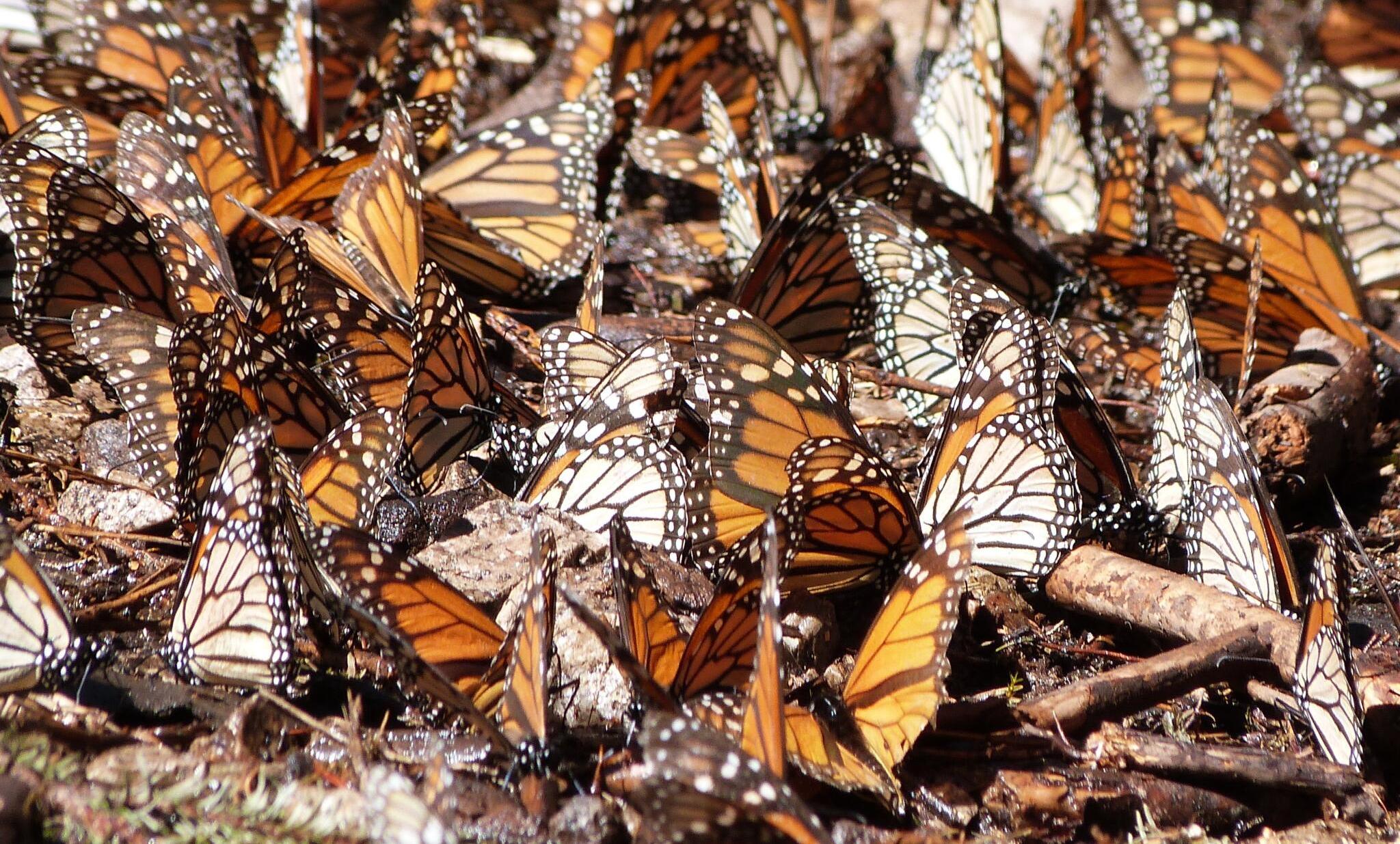
Visiting the monarch butterflies in Mexico is not only a personal achievement on my extensive list of dreams, but it has also been a long-held aspiration. The experience did not disappoint, ranking among my most memorable adventures, alongside gorilla trekking in Uganda.
Herein lies a comprehensive guide to visiting the overwintering sites of monarch butterflies in central Mexico.
The Monarch Butterfly Migration
First, it is essential to understand the extraordinary phenomenon of monarch butterfly migration. This remarkable journey is increasingly threatened, as the species faces endangerment due to climate change, the decline of milkweed plants, and habitat loss. Understanding the intricacies of monarch migration and its associated challenges is vital in supporting their conservation efforts.
The migratory generation begins its journey in a few select locations in central Mexico, where the monarchs feed on milkweed and breed in the forests. Many males die before the migration, while females commence the journey northward as temperatures rise.
During their travels, the monarchs pause in Texas and other southern states to lay eggs on the underside of milkweed leaves before dying. These eggs hatch, and the caterpillars consume milkweed, metamorphosing into butterflies and continuing northward. This process repeats multiple times until they reach Canada, and eventually, a generation makes the return journey to Mexico to initiate the cycle again.

The local communities surrounding these monarch reserves hold them in high esteem, particularly during Dia de los Muertos, believing that the butterflies represent the spirits of departed loved ones. For those wishing to view the migrating butterflies in their densest populations, central Mexico’s reserves are unparalleled.
The recent classification of monarchs as endangered in the United States stems largely from agricultural practices. Historically, corn was cultivated without harmful chemicals, allowing milkweed to flourish alongside it. However, escalating demand for corn production led to the adoption of genetically modified crops, facilitating herbicide and pesticide application that decimated milkweed populations. Consequently, this resulted in a significant reduction of nectar sources for the monarchs, as well as their essential egg-laying plants.
While monarchs can feed on alternative flora, not all plants provide the same nutritional benefit. Relying on less nourishing plants can deplete their energy, hindering their migration progress.
Significance of Monarch Conservation
The survival of monarchs is crucial as they are pivotal pollinators in the ecosystem. Their decline would precipitate a chain reaction, negatively impacting flowering plants, including many fruit-producing species. Furthermore, their caterpillars serve as food sources for birds and other wildlife.
Reaching the Butterfly Reserves
Accessing the reserves can be challenging, yet the effort is undeniably worthwhile. Tour companies, including those affiliated with National Geographic and World Wildlife Fund, offer guided opportunities that contribute to the conservation of these delicate creatures. However, these tours can be quite costly.
A more economical option is to drive to the reserves yourself. Although this mode of transportation may not be the most sustainable, car rentals are the primary means of access. Discover Cars is recommended for rentals, as they collaborate with local companies and provide essential liability insurance required in Mexico, separate from typical credit card coverage. You can conveniently collect your vehicle at the Mexico City airport and embark on the three-hour drive to the towns near the reserves.
Accommodation Near the Reserves
Limited accommodation options exist near the reserves. The town of Angangueo offers several hotels and is the closest destination to El Rosario and Sierra Chincua; however, these fill up quickly during monarch viewing season. A popular alternative is Zitacuaro, located further south, which presents a larger variety of lodging options.
During my visit, I opted to stay near Cuidad Hidalgo, approximately an hour’s drive from the reserves. This region provides access to larger towns and intriguing attractions beyond the butterflies. I stayed at Hotel Ex Hacienda el Molino, which was a brief drive from notable cave sites and featured welcoming staff and a modest breakfast.

It is worth noting that navigation apps, like Google Maps, may lead you to unexpected locations, so be cautious to avoid confusion, particularly at night. I encountered this issue at my hotel, which necessitated phone communication, though the language barrier made it challenging.
Optimal Time for a Visit
The best window to observe the monarchs is between December and March, as they spend these months in the reserves. Activity notably increases closer to March as the butterflies engage in feeding and breeding in preparation for their migration.
Exploring the Monarch Butterfly Biosphere Reserve Area
The reserves, each designated as a UNESCO World Heritage Site, offer unique perspectives of the monarch gathering. The butterflies cluster within Oyamel forests, resting on tree branches and trunks — the sheer number of butterflies is breathtaking.
El Rosario Butterfly Sanctuary
This sanctuary is undoubtedly the most frequented of the monarch butterfly reserves. Arriving early is advisable to circumvent midday crowds. As you approach the reserve via the adjoining village, parking attendants will request a fee of 80 pesos—this should be paid, as this practice is customary.

At the reserve, parking is available, surrounded by food stalls and souvenir shops. Visitors can opt to walk or take a horse to the sanctuary. A guide is required, although language barriers may arise. Entry costs around 100 pesos, and horse rides cost approximately 170 pesos one way. The ascent can be challenging, so physical preparedness is advisable.

Ensure you stay hydrated and wear appropriate footwear. The elevated temperatures can be cooler, necessitating warmer attire. Silence is crucial once inside the reserve, as noise can distress the monarchs and deplete their energy. The area is roped off, limiting proximity to the trees where the butterflies rest. Mid-morning is ideal for observing their increased activity as sunlight warms the surroundings, often resembling sparkling fireflies flitting through the foliage.
The area is also rich in native milkweed, providing essential nutrition to the butterflies, while other nearby plants offer less beneficial alternatives.
Upon concluding your time with the majestic monarchs, returning to one of the nearby food stalls for refreshments is highly recommended. The local cuisine, simple yet flavorful, is sure to satisfy.
Sierra Chincua Sanctuary
Another rewarding excursion from Cuidad Hidalgo is the Sierra Chincua sanctuary, which was my personal favorite due to its smaller crowds and heightened proximity to the butterflies, some of which even landed on me.
Similar to El Rosario, you arrive at the sanctuary base where a guide will accompany you. After paying the customary 80 pesos for parking, the guide will take you up, and you will also pay 100 pesos for sanctuary entry. I opted for a horse ride to the sanctuary, as I was not feeling well and deemed it a more manageable choice.
There are similar dining options and gift shops available. It is customary for guides here to expect tips, unlike at El Rosario, where my guide simply left after our tour. Overall, the experience was richly rewarding, comparable to the profound experience of gorilla trekking in Uganda.
Additional Activities in the Area
Grutas de Tziranda
This picturesque site, located a brief five-minute drive from Hotel Ex Hacienda El Molino, features a picnic area and a captivating cave system home to diverse bat species. My arrival coincided with a time when no guide was present, limiting my explorations to the cave’s entrance. When staffed, guided tours are available.
Laguna Larga
If relaxation amidst natural hot springs is your desire, Laguna Larga is an exceptional choice. Set on a serene lake, it offers boat rentals, picnic areas, and multiple hot springs. A stroll across the red suspension bridge leads you to the larger hot springs area featuring changing facilities and small dining spots for visitors.
Travel Tips
- Withdraw pesos in advance, as most establishments, including the reserves, do not accept credit cards, and cash is necessary for tolls.
- Be cautious of corrupt law enforcement; I was stopped for allegedly speeding and lost $100 USD in the encounter. Tourists may be vulnerable to scams.
- Consider purchasing travel insurance as a precautionary measure against unforeseen circumstances.
- Witnessing the kindness of the locals is heartening; they are often willing to assist without expecting anything in return.
- Fluency in Spanish is beneficial as many locals may not speak English, so a translation app can be incredibly helpful.
- Stick to toll roads if driving for safer and better-maintained routes, despite the associated costs.
- Watch for unmarked road humps in smaller towns, as they may endanger your vehicle if not approached with caution.
Concluding Thoughts
Experiencing the monarch butterflies in their winter habitats is an unparalleled event, sure to inspire awe. As this remarkable species faces endangerment, protecting their habitats is increasingly crucial along their migration routes. If possible, consider planting milkweed in your surroundings to support monarch populations and their reproductive success.