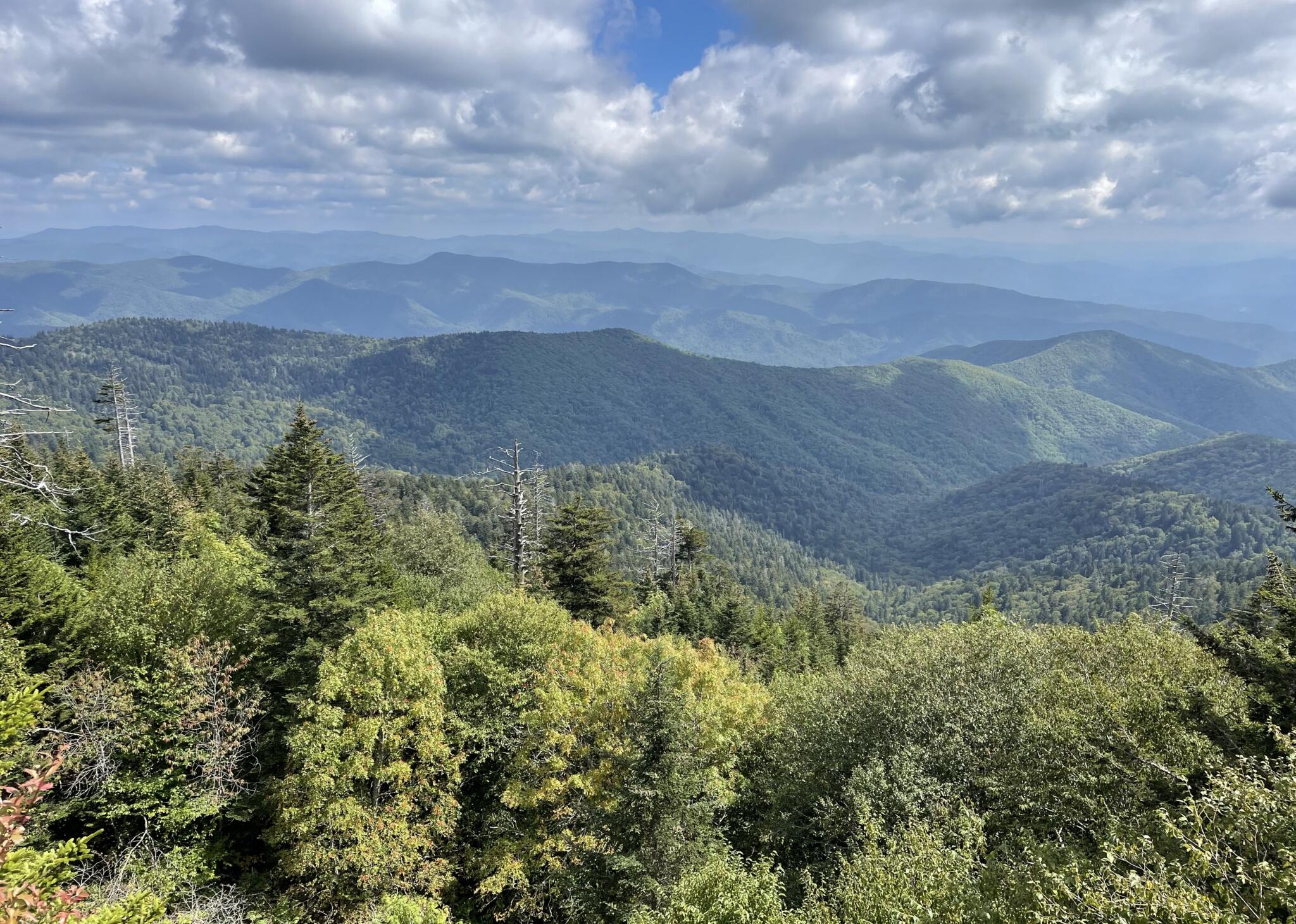
Great Smoky Mountains National Park, spanning both Tennessee and North Carolina, encompasses over 522,000 acres of pristine wilderness featuring ancient forests and the Blue Ridge Mountains. Renowned for its breathtaking beauty, the park attracts over 13 million visitors annually, making it the most frequented national park in the United States. This destination is particularly appealing to hikers and those seeking stunning vistas from various observation points along the roads.
This guide serves as a resource for planning your visit to Great Smoky Mountains National Park, along with a selection of day hikes to kickstart your adventure.
Directions and Entrances
Navigating the park can be somewhat perplexing due to the lack of obvious entrance points. While there are several main entrances, various rugged side roads lead into the park for access to select trails. These routes do not interconnect, meaning if you start at Ramsey’s Cascades and wish to visit Clingman’s Dome, you will need to exit the park and utilize a different entrance. This journey might take more than an hour, so it is essential to plan your day accordingly.
For comprehensive information on all entrances, refer to this Outside magazine article detailing park access points.
I opted to stay in the quaint town of Cosby, which is recommended for those wishing to avoid the over-commercialized ambiance of Pigeon Forge. However, for better dining options apart from the limited selections in Cosby, it is advisable to consider accommodations near Gatlinburg.
Address: 107 Park Headquarters Road, Gatlinburg, TN 37738
Driving directions are available on the National Park Service website . Note that no public transportation is available, so a vehicle or bicycle is essential depending on your starting point.
Fees and Parking
Unlike most national parks, this one does not accept the America the Beautiful Pass , which is highly beneficial for frequent visitors to multiple national parks.
However, a parking permit is required, costing $5 per day or $15 for the entire week. It is crucial to acquire this permit prior to parking, as displaying the tag in your vehicle is mandatory.
Permits can be obtained at welcome centers, visitor centers, and select grocery stores. Additionally, there are fee machines located within the park for your convenience. For a complete list of purchase locations, visit the National Park Service fees and passes page .
Best Time to Visit
As is common with national parks, the peak season for visiting is during the summer months, offering the highest likelihood of clear weather and scenic views. However, given its popularity, consider visiting during the shoulder season to mitigate crowds, or opt for lesser-known trails for a more serene experience.
Camping
For those interested in staying overnight, the park features several camping facilities catering to front country visitors (excluding those preferring backcountry multi-day hikes). There are ten developed campgrounds available, correlating with different hiking areas.
Keep in mind that not all sections of the park are accessible by road, which may necessitate additional driving that can limit your hiking time. This is a consideration for many visitors.
For backcountry camping enthusiasts, be sure to consult the National Park Service website for essential information regarding bear canisters, permits, regulations, safety guidelines, and more.
Reservations and permits are mandatory for all backcountry camping activities.
Wildlife
Great Smoky Mountains National Park is home to a diverse array of wildlife, particularly black bears. An active rehabilitation program for bears exists, contributing to the significant bear population within the park.
Generally, bears are more fearful of humans than we are of them. However, stories of bear encounters often stem from other circumstances, such as habituated bears due to human negligence, mothers protecting their cubs, or bears exhibiting illness-induced aggression.
It is advisable to make noise while hiking—without resorting to music—using bells, clapping, or chatting to alert bears to your presence. An unexpectedly startled bear is more likely to react defensively.
Additionally, always carry bear spray during your excursions.
Aside from bears, you may encounter a variety of wildlife, including snakes, numerous bird species, deer, and possibly coyotes. The dense forest provides a rich habitat for a multitude of animals.
Best Hikes
The Appalachian Trail winds through the park for 72 miles. However, should your schedule only allow for day hikes, consider these scenic trails as a wonderful starting point.
Clingmans Dome
If you arrive late or have limited time on your first day, Clingman’s Dome offers a brief yet rewarding hike, featuring impressive views from the observation tower. This area is highly popular, so planning is necessary for parking availability.
The trail is a one-mile round trip along a fully paved path, offering a gentle but continuous incline. Numerous resting spots are available for those requiring a break. The viewpoint, accessible via a ramp, showcases a panoramic 365-degree vista from the highest point in the park at 6,643 feet.

Be mindful that parking can be challenging; therefore, visiting on weekdays or during off-peak hours—either early in the morning for sunrise or later in the day—are optimal strategies for securing a spot. A gift shop on-site offers parking permits, and there are several restroom facilities available.
Andrews Bald Trail
Situated in the same lot as Clingmans Dome, this 3.6-mile roundtrip trail makes for a perfect companion hike if you have a full day ahead of you. It’s relatively easy, showcasing some elevation gain without being overly strenuous.

Ramsey Cascades
This trail is arguably one of the best in the park, representing the quintessential day hike. Although it presents challenges with an elevation gain exceeding 2,000 feet, the spectacular finale makes every ounce of effort worthwhile.
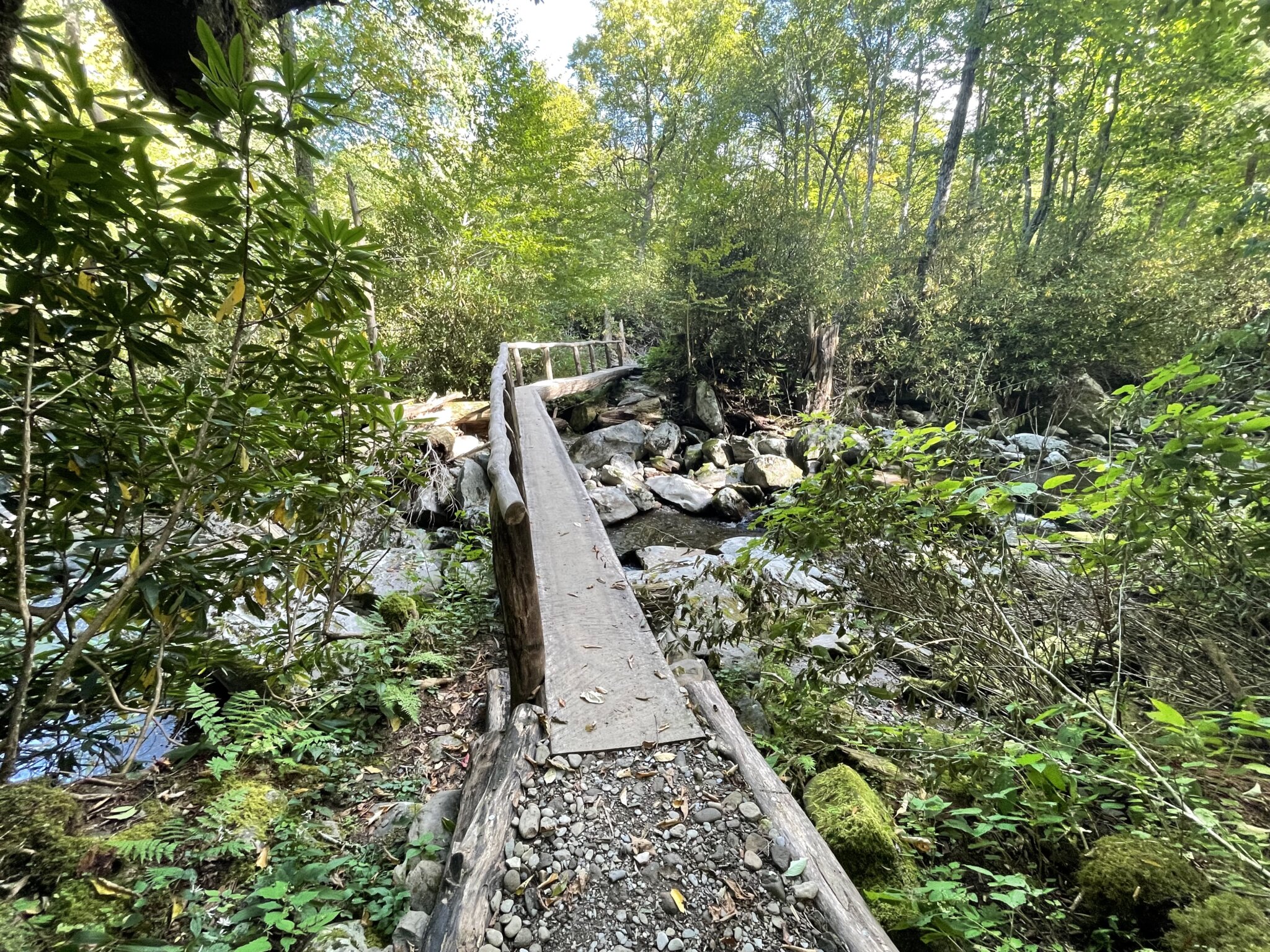
Accessing the trail involves a narrow gravel road leading to a small parking area. The trail begins wide and well-maintained, lacking initial excitement, but as you venture deeper into the forest, the charm of nature reveals itself.
This strenuous 4-mile hike one way is categorized as moderate to difficult, culminating at the park’s tallest waterfall, offering a splendid opportunity to relax and have lunch after your climb.
Concluding Thoughts
If hiking is not your priority, numerous options are available, including viewpoints, a leisurely ½ mile walk to Clingman’s Dome, picnicking at designated areas, camping, fishing, or visiting information centers and gift shops.
The park provides an enriching opportunity to temporarily escape the hustle and bustle of everyday life and immerse yourself in nature, no matter how you choose to do so.