
Discovering the Biodiversity of Bangladesh
When contemplating travel destinations in South Asia to experience exceptional biodiversity, Bangladesh may not be the first place that comes to mind. However, this country boasts an impressive array of wildlife and ecosystems.
A Glimpse into Biodiversity
Bangladesh is home to:
- 138 species of threatened mammals
- 566 bird species
- 167 reptile species
- 49 amphibian species
- 253 freshwater fish species
- 141 crustaceans
- 305 butterfly species
Unfortunately, these diverse species face constant threats due to habitat degradation and illegal collection for the wildlife trade.

The Importance of Ecotourism
Promoting ecotourism is essential to safeguard wildlife and provide sustainable income for local communities. By supporting responsible tourism practices, visitors can help demonstrate the intrinsic value of preserving these unique species and their habitats.
Traveling to Bangladesh
Bangladesh is characterized by a few major cities, with Dhaka being the capital and the main international gateway. Domestic flights are available that connect to other regions, although traveling by road may require several hours due to the rural nature of the countryside.

Arriving in Dhaka
Entering Dhaka can be a chaotic experience, often described as reminiscent of the Wild West due to the lack of structured traffic patterns. The city is densely populated, with significant air pollution contributing to a unique atmosphere.
This bustling metropolis does not represent the country’s biodiversity; rather, it serves as the gateway to the incredible natural beauty that awaits beyond its borders.
Optimal Time for a Visit
Avoiding the monsoon and summer months is advisable. The monsoon season frequently brings severe flooding and an uptick in mosquito-borne diseases. The summer months can be oppressively hot and humid. The winter season, characterized by drier air and fewer mosquitoes, is the best time to experience Bangladesh.
Practical Travel Insights
Respect Local Customs
As a predominantly Muslim country, visitors will hear the call to prayer throughout the day. While it is generally advised to dress modestly, local customs are welcoming, and hospitality is a common practice. Engaging respectfully with the culture will enhance your experience.
Consider Guided Tours
Given the complexities of navigating the region, consulting a local guide can greatly enhance your travel experience, ensuring you make the most of your visit.
Health Precautions
The Chittagong Hill Tracts are known malaria zones; thus, appropriate precautions are necessary. Dengue fever is another concern, and visitors should take measures to protect against these diseases.
Food and Water Safety
Water safety is paramount; consuming only bottled or appropriately filtered water is essential. Fresh fruits and salads should also be avoided if washed in unsafe water.
Must-See Destinations
If you seek to escape the urban environment for wildlife and biodiversity, consider the following noteworthy locations:
Sundarbans Reserve Forest
The Sundarbans is a UNESCO World Heritage Site and the world’s largest mangrove forest. This region attracts nature enthusiasts eager to witness wildlife, including the elusive Bengal tiger.
Chittagong Hill Tracts
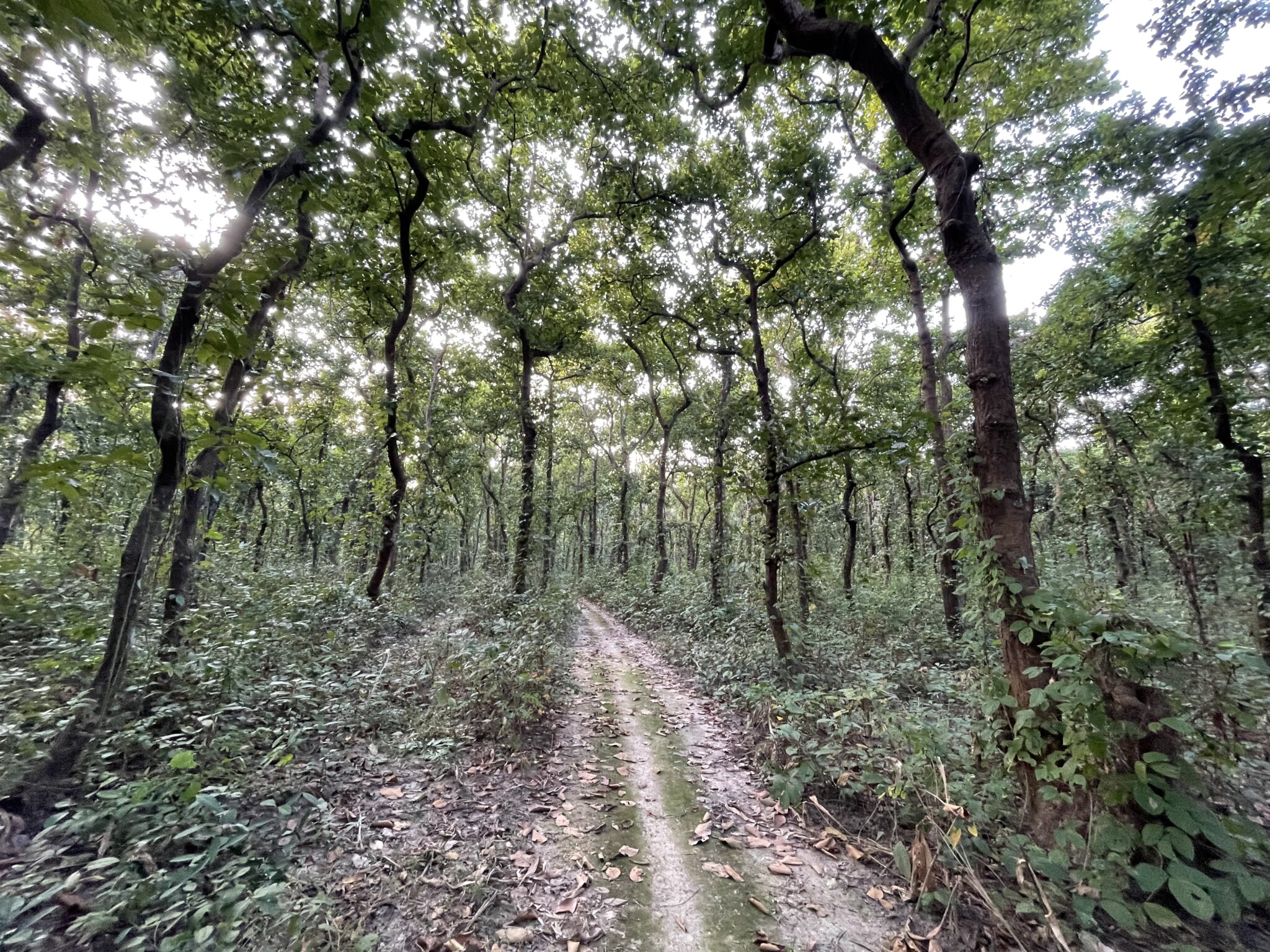
Known for its breathtaking landscapes and dense forests, this area also hosts several vulnerable species. Travelers are encouraged to participate in guided tours to ensure safety and enrich their understanding of the local culture.

National Parks
Bangladesh boasts 18 national parks, varying significantly in human impact. Lawachhara National Park, located in Srimongol, is particularly popular among tourists, surrounded by scenic tea gardens and abundant wildlife.

Final Reflection
Bangladesh offers a unique cultural experience and is home to some of the warmest people. Although navigating the country can prove challenging, the richness of biodiversity and the stunning landscapes make it a worthwhile venture. Supporting ecotourism is essential in preserving this natural beauty and diverse wildlife.