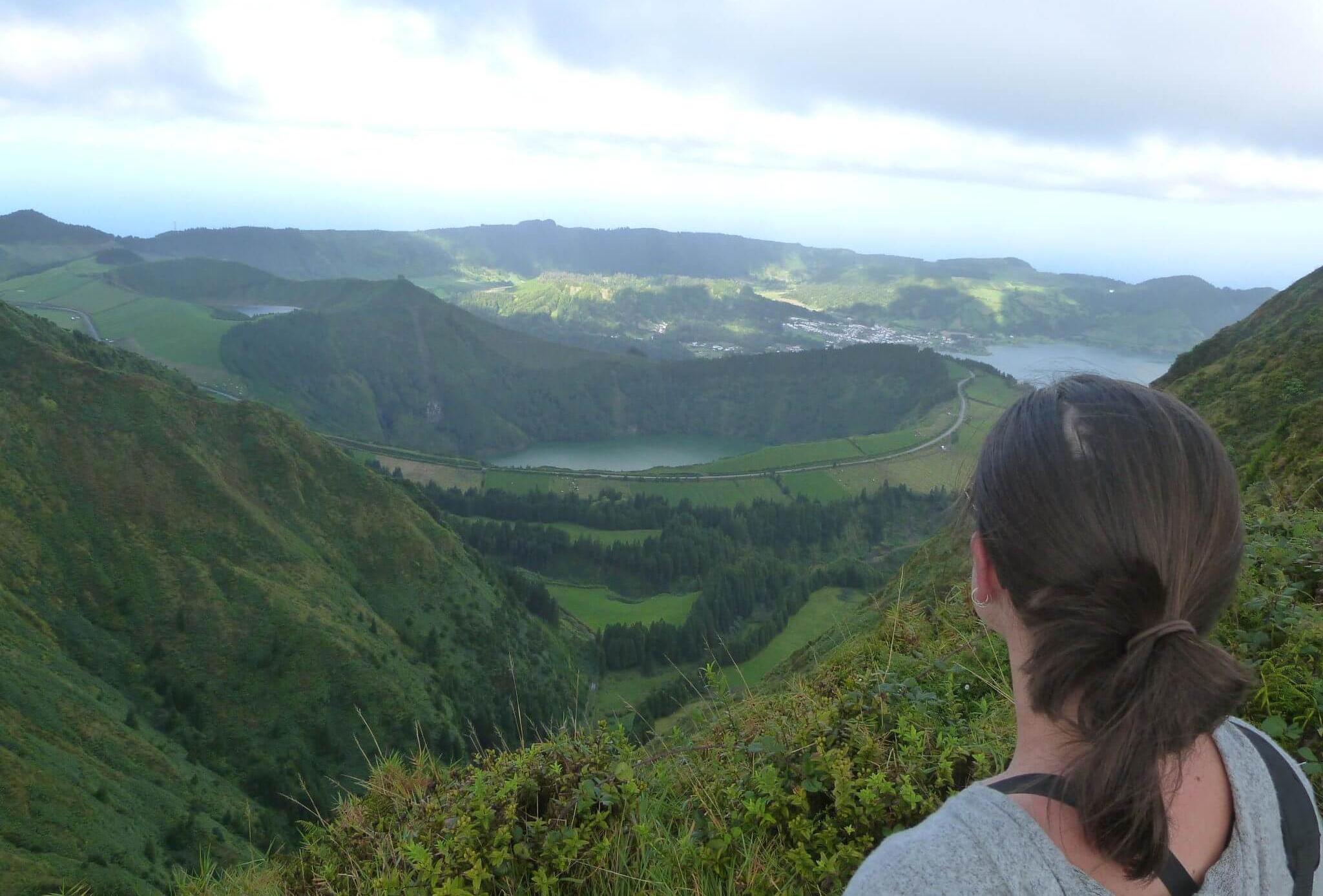
Best hiking tips for beginners
Backpacking is an excellent avenue for outdoor exploration, yet it can be daunting for newcomers. However, with proper planning, it can be an enjoyable experience.
In this guide, I will outline effective strategies for ensuring a safe and rewarding first backpacking adventure.
The Logistics of Your First Backpacking Trip
Planning your inaugural backpacking trip involves several crucial considerations, from selecting a suitable destination to determining whether to embark on multi-day hikes with backcountry camping or opt for short hikes at established campsites.
Alternatively, you may choose to explore nearby trails for day hikes. There is no one right way to hike; yet, there are key methods to enhance your experience, ensuring it becomes a cherished memory rather than a daunting challenge.
Short Hikes as an Introduction
Beginning with a short hike or day hike is advisable. Depending on your location, you might have to venture outside urban areas to find green spaces, or there might be trails adjacent to your home. In Seattle, for instance, various large parks offer shorter trails ranging from 1 to 5 miles, enabling an inviting opportunity to immerse yourself in nature without excessive travel.
tips for day hiking for beginner hikers
For day hikes, minimal gear is necessary. Essential items include appropriate footwear, sufficient water, and potentially a snack or lunch—there is no better setting for a meal than amidst scenic nature.
Overnight Hiking Considerations
If you’re contemplating overnight trips, several logistical factors come into play, much of which depend on the terrain, duration of your outing, and your personal requirements.
best hiking tips for beginner backpackers
Food Storage
When camping, it’s prudent to hang your food to protect it from wildlife, particularly if you are in bear country. I have encountered rodents and raccoons attempting to access food while camping in Maine’s Baxter State Park. A canister is advisable for diverse hiking locales as it provides secure food storage.
If using a waterproof bag, ensure it is hung securely from a tree, ideally 100 feet from your camp and at a significant height.
Bear Canisters
Some locations mandate the use of bear canisters, which are essential for safety. If you plan to hike in bear-prone areas frequently, investing in a bear canister is advisable as it replaces the need for additional storage solutions. Keep in mind that bear canisters may have limited capacity compared to bags, making careful planning vital.
Distance and Elevation
Understanding the total mileage of your hike is critical for estimating the duration. Additionally, consider elevation changes, as they will influence your daily distances. Assess your capabilities realistically—can you maintain a consistent pace of 8, 10, or 15 miles daily? Challenge yourself appropriately without overexertion, as this could lead to injury.
Is the trail a round trip, a loop, or an “out and back” route? Personally, I prefer loops, as they offer varied scenery without retracing steps, simplifying logistics as well.
Wilderness Permits
In most cases, a wilderness permit is required. Familiarize yourself with the necessary applications for your chosen hike, as some popular trails may necessitate advance reservations or entries into a lottery system.
Water Sources
Determine the availability of water sources near your campsite or along the hiking route. Understanding how much water you must carry between these sources is pivotal for safety. Plan methods for filtering this water and account for additional needs such as dish cleaning and cooking, as hydration is your most important resource on long treks.
Elevation Gain
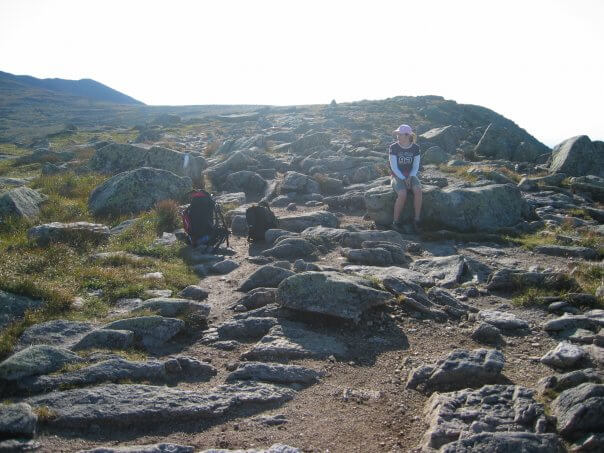
Awareness of potential elevation gain is important for planning daily mileage. It is also vital for route direction; for example, the Presidential Traverse in New Hampshire is often recommended to be approached from Mount Madison due to its challenging elevation profile.
tips for beginner backpackers for multiday hikes
Backcountry Campsites
Research whether designated backcountry campsites exist. It’s essential to know how many campsites are available and whether these fill quickly during peak times. Determine your options if you arrive to find campsites occupied—can you continue to the next site, or will you find options just a little further?
Pit Toilets
Numerous campgrounds feature pit toilets, particularly in regions like the Adirondack High Peaks. In backcountry areas, these amenities may be absent. Remember to carry a small shovel for proper sanitation, digging at least 6 inches deep and keeping a distance of 100 feet from your campsite to minimize wildlife attraction.
Parking Considerations
Verify whether a permit is required for your vehicle in specific areas. In Washington state, for example, national forests and parks require passes such as the NW forest pass or the America the Beautiful Pass, useful for multiple visits to national parks throughout the year. Assess parking lot occupancy ahead of time to strategically plan your departure and vehicle staging, particularly for one-way treks where a shuttle may be available.
In Maine’s 100-mile wilderness, a shuttle service offers convenient transportation back to your car, similar to the Rim to Rim trail in the Grand Canyon. Staging your vehicle at your hike’s conclusion allows for an immediate exit post-adventure without shuttle timing concerns.
Packing Essentials
Water purification methods
Pack rain cover
Headlamps and batteries
Tent
Sleeping bag and pad
Paracord
Maps
Compass
Sunblock and bug spray
First aid kit
Matches
Folding knife
Spork
Jetboil
Bowls
Coffee mugs
Three pairs of socks
Underwear
Two t-shirts/tank tops
One pair of pants and one pair of shorts
Clothes for sleeping (shorts and a tank top, kept in a Ziplock for dryness)
Hat
Camp shoes
One jacket or sweater
Toilet paper and shovel
Food sufficient for the trip, including coffee, creamer, sugar, dehydrated meals, oatmeal, peanut butter, trail mix, granola bars, chocolate, jerky, and dehydrated fruit
General Tips for Novice Backpackers
Inform a family member of your itinerary and expected return
Understand the necessary permit requirements for your hike:
Some hikes necessitate backcountry permits that may require entry into a lottery (e.g., Wonderland Trail in Washington).
Permits may be obtainable at a ranger station or at the hike’s start.
Permits are available via recreation.gov, applicable to numerous hiking and camping locations in the U.S. (e.g., John Muir Trail in California).
Specific passes may be required in your destination area even for day hikes, including national and state parks.
Most backcountry camping areas will also necessitate a permit.
For novice hikers, consider starting with a one-night excursion to acclimate to overnight camping before tackling extended trips. Enjoy the journey and take your time.
Be mindful of your current skill level. Begin as a novice and gradually progress to prevent injuries and preserve your passion for hiking.
Backpacking Experience
Your hiking experiences shape the trails you pursue. Whether you prefer stunning waterfalls, breathtaking mountain vistas, scenic rainforest encounters, or coastal paths, reflection on what captivates you in nature will guide your choices.
tip for first time backpackers
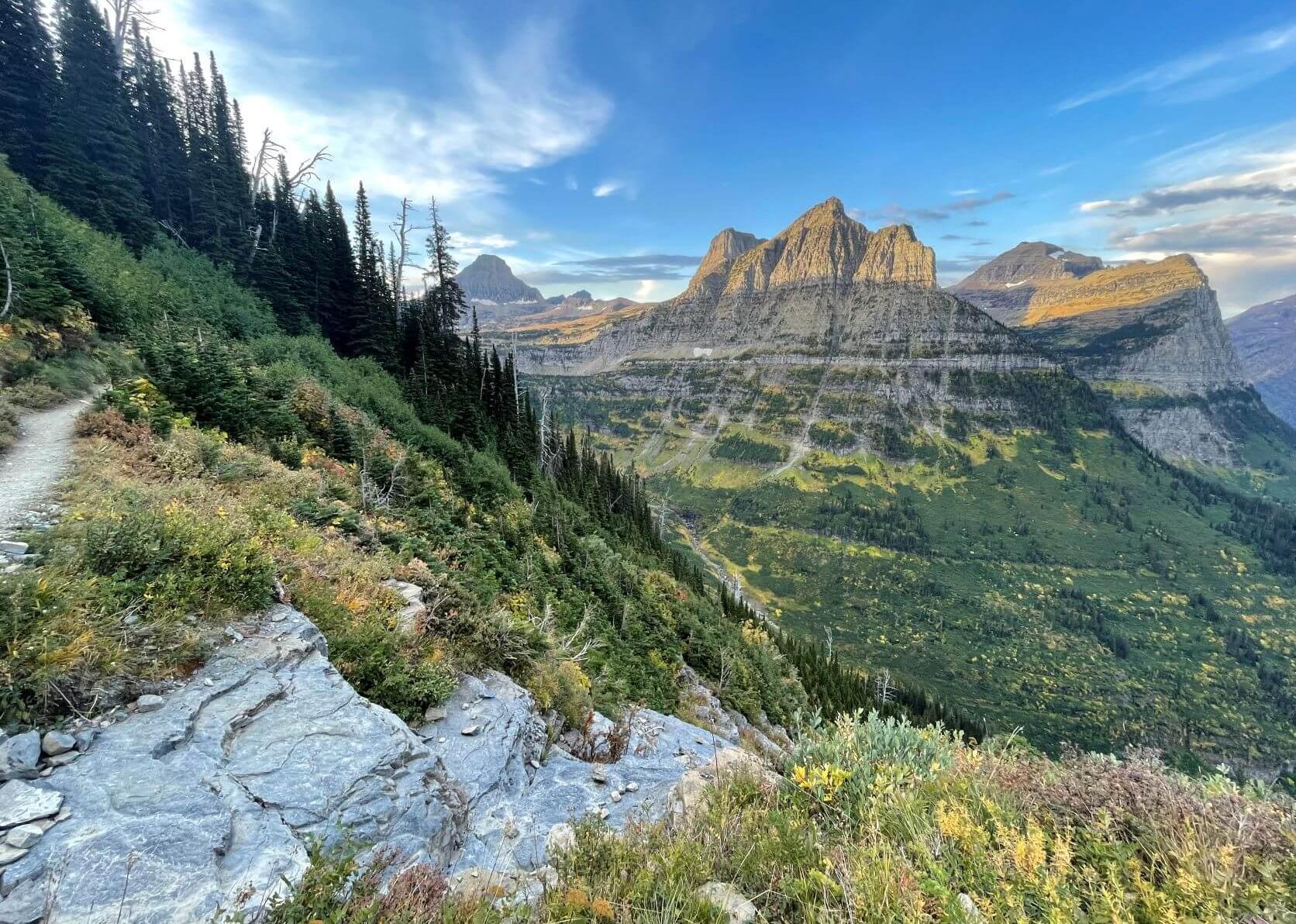
Personally, I find immense joy in hiking trails that culminate with stunning mountain ranges. The Presidential Traverse in New Hampshire, Marmot Pass in Washington’s Olympic National Forest, and the Highline Trail in Glacier National Park are ideal options, showcasing breathtaking mountain views amidst rugged forest trails.
Factors to Consider when Choosing Your Hike
Seek out locations that offer captivating vistas. Is there a particular scenery you are drawn to? Mountain vistas? Oceanfront landscapes? Wildflowers?
Consider ease of access.
Look for trails with fewer hikers to enhance your experience.
Investigate whether the area provides multiple trails for exploration.
Concluding Thoughts
Ultimately, any hiking trail presents an opportunity for exploration. If you harbor ambitious hiking goals, begin with manageable trails and progressively tackle more challenging routes. Take a brief stroll in a local park before attempting hikes in nearby state parks. The more you engage, the more confident you will become.
Focus not on acquiring the latest gear or extensive experience; instead, remember that competence builds through time spent on the trail. Embrace the adventure and embark on your journey.