Explore Shenandoah National Park: A Comprehensive Guide
Hiking the AT in Shenandoah National Park
Shenandoah National Park, a rugged stretch of wilderness nestled in the Blue Ridge Mountains of Virginia, is managed by the National Park Service. The park’s primary thoroughfare, Skyline Drive, runs close to its highest points, making it ideal for those seeking a leisurely outing rather than intense climbing. With a significant black bear population and the wilderness remaining largely untamed, the park offers a rugged yet accessible hiking experience.
However, with over 500 miles of trails, including 101 miles of the famous Appalachian Trail, choosing a route can be a rewarding challenge.
History of Shenandoah National Park
The history of Shenandoah National Park is as fascinating as the landscapes it protects. Originally inhabited by Native American tribes for hunting and gathering, the area later became home to European settlers who established farms and orchards. This quaint way of life endured until the establishment of the park, which led to the forced relocation of these individuals.
Subsequent efforts to develop the park were interrupted by the Great Depression. Thus, President Franklin D. Roosevelt initiated the Civilian Conservation Corps, employing young men under U.S. Army supervision to enhance park infrastructure. Their contributions built several notable features, including Skyline Drive, scenic overlooks, and picnic areas.
This narrative is steeped in both loss and a dedication to conserving nature, resulting in a park rich with historical sites.
General Information
The closest major airport is Washington Dulles International Airport, an ideal starting point for renting a vehicle. The park encompasses a narrow band of wilderness primarily along Skyline Drive, allowing easy access to the backcountry; you are never far from the main road. Skyline Drive is part of the expansive Blue Ridge Parkway, which connects Shenandoah National Park to the Great Smoky Mountains National Park.
Although many trails intersect with Skyline Drive, the road itself is a picturesque drive, making it unsuitable for those seeking absolute solitude, given the 1.5 million annual visitors.
View points in Shenandoah
The park features numerous parking lots that grant access to scenic overlooks and various hiking trails. Plan your visit carefully according to the season, as some parking areas may fill quickly, particularly during peak times. The most favorable periods to visit are during the spring (March through May) and fall (September-November), when the foliage reaches its peak splendor.
Park Entrances
Shenandoah National Park has four principal entrances: Front Royal and Thornton Gap, which are the busiest, and Swift Run and Rockfish, which experience shorter lines. Purchasing an online pass before arrival can expedite entry.
Thornton Gap leads to the park’s central areas, including the highest peak, Hawksbill, and innumerable waterfalls. Meanwhile, the Front Royal entrance, located at the park’s northern end, is often less crowded, allowing for a tranquil experience among the stunning views and geological features, such as the notable basalt formations at Compton’s Pass.
Fees
As with other national parks, you have the option to acquire the America the Beautiful Pass, which provides worth if you plan to visit multiple parks throughout the year. The cost is approximately $80. Individual vehicle entry without the pass is $30, valid for one week; hence, an online purchase is highly suggested to avoid long lines.
Visitor Centers
There are two visitor centers in the park: Byrd Visitor Center and Dickey Ridge Visitor Center. The Dickey Ridge center is situated near Front Royal, while Byrd Visitor Center can be found in Big Meadows. These centers serve as excellent resources for information on navigating and enjoying the park effectively.
Permits for Backcountry
Camping and hiking in the backcountry require a free permit, easily obtained from the Shenandoah National Park webpage. After completing the online form, you’ll receive a confirmation email with the relevant details. It’s advisable to print this confirmation and place it in a Ziplock bag attached to the outside of your tent.
Camping
Shenandoah offers various camping options, including established campgrounds such as Lewis Mountain Campground, Big Meadows Campground, and Mathews Arm Campground, which provide essential amenities near popular attractions. Reservations should be made well in advance, particularly during peak seasons.
For backcountry camping, several lean-tos and designated campsites are accessible along the Appalachian Trail, especially during the busy summer months. While stealth camping is not officially allowed, it can occur, although finding suitable locations can be challenging.
Pets
Unlike many national parks, Shenandoah allows dogs throughout its premises, provided they are leashed and owners clean up afterward. While rabies vaccinations are encouraged, proof is not mandatory. The park does have a high tick population, so adequate prevention is advisable, particularly for canines sharing your camping space.
Leave No Trace
Adhering to Leave No Trace principles is crucial in protecting the park’s integrity. Pack out all waste, including food scraps and toilet paper. If conditions necessitate relieving oneself in the woods, ensure to use a proper method that deep-buries waste, to minimize environmental impact.
Hiking Trails
Shenandoah boasts an extensive array of hiking trails, topping 500 miles. Whether you seek panoramic views like those from Old Rag Mountain or wish to explore other points of interest, options abound. Opting for the quieter northern section not only enhances the experience but also reduces drive time from New Jersey.
For multiday hiking, consider creating looping trails for increased enjoyment. The park’s service also provides an app featuring offline maps detailing hiking possibilities, enhancing your adventure.
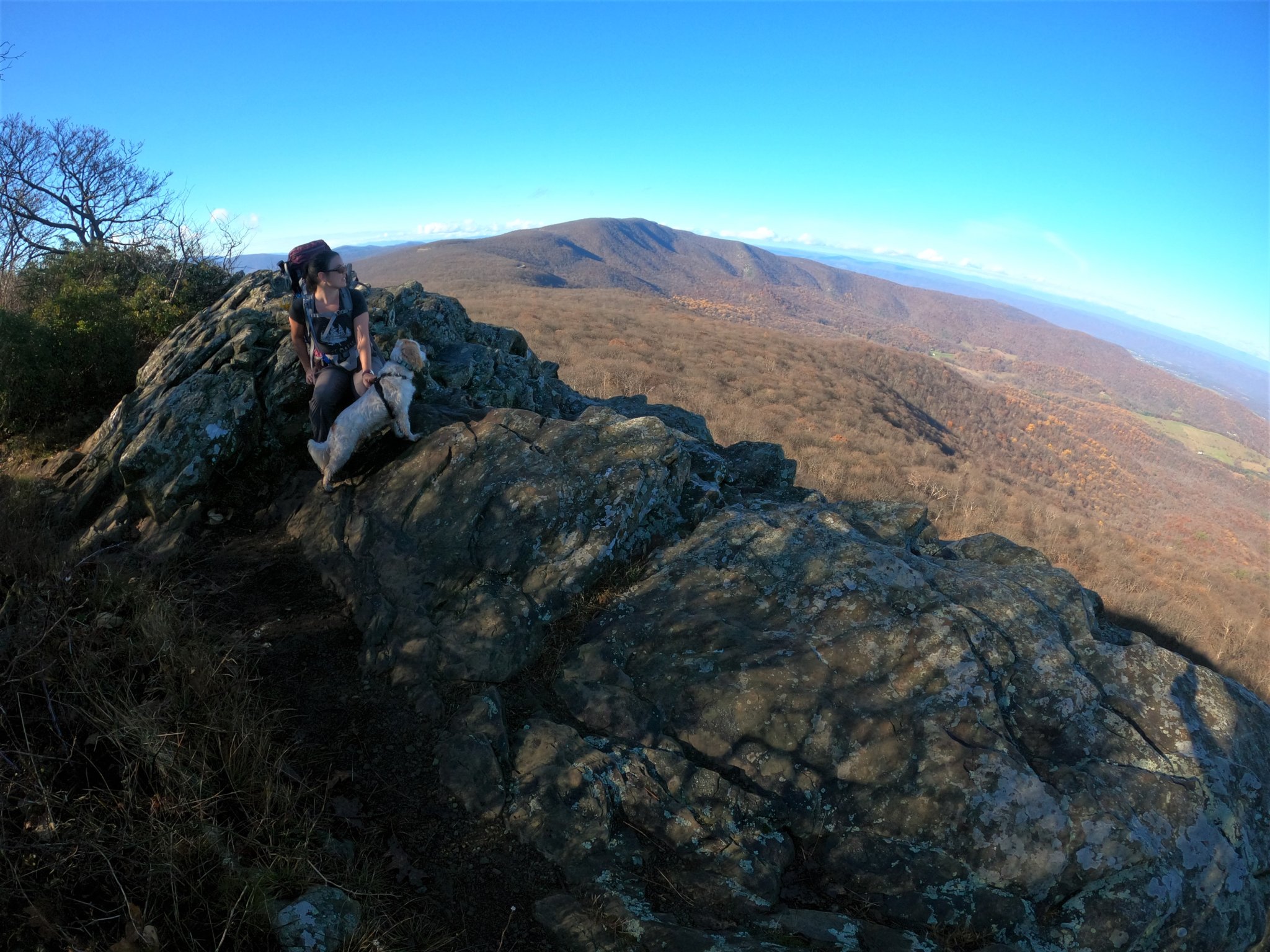
Hiking Mount Marshall on the AT
The park’s main website features recommended backcountry hikes tailored to your camping and hiking experience. Although some trails may be labeled as difficult, you will find they possess picturesque switchbacks, making elevation changes manageable. Starting at roughly 2,000 feet, with the highest elevation rising to around 3,500 feet, challenges are mild—ideal for leisurely hikes.
Shenandoah National Park provides an exceptional escape into nature, where one can savor the experience of waking surrounded by tranquil sounds and the beauty of the forest.
Appalachian Trail Information
Shenandoah National Park hosts just over 100 miles of the Appalachian Trail, frequented by thru-hikers at various times of the year. This presents a captivating challenge that typically takes between one week to ten days to complete.
Hiking the Appalachian Trail
During specific seasons, a shuttle service operates in the northern section of the park, facilitating transport to the park’s end—an excellent option for solo hikers.
Wildlife
Despite its comparatively small size, Shenandoah National Park teems with wildlife. Early risers often hear the rhythmic pecking of woodpeckers while red-tailed hawks soar gracefully overhead. As night descends, the eerie calls of barred owls dominate the atmosphere.
Among its inhabitants, one may encounter a range of creatures, including non-venomous snakes, deer, and bears. While bears are generally more frightened of humans, it remains vital to exercise caution and use noise-making devices when hiking to avoid surprising them.
Not a venomous snake…
Food Storage
While Shenandoah National Park does not mandate bear canisters, their use is advised. Food storage boxes are available at huts and shelters, offering secure places to store food and toiletries overnight. Alternatively, a dry bag, along with about 100 feet of rope, can be used to hang supplies in trees.
Concluding Thoughts
Shenandoah National Park serves as a remarkable destination to immerse oneself in nature, presenting countless features—from stunning basalt rock formations to cascading waterfalls. Although it may not boast the dramatic scenery found in parks like Zion or Bryce, the park offers a rugged wilderness experience reminiscent of the East Coast.
Ultimately, there’s nothing quite like enjoying a morning coffee surrounded by the tranquility of nature, while basking in the warmth of the early sun and the sweet sounds of birdlife.