hammock vs tent
There are numerous options available for sleep systems in the wilderness, yet selecting the most suitable choice can be challenging. While I previously addressed the differences between backcountry camping and car camping, this article will delve into the comparison between hammocks and tents.
The selection ultimately hinges on personal preference and the camping environment. Let’s explore the characteristics along with the advantages and disadvantages of both hammock camping and tent camping.
Backpacking Hammock
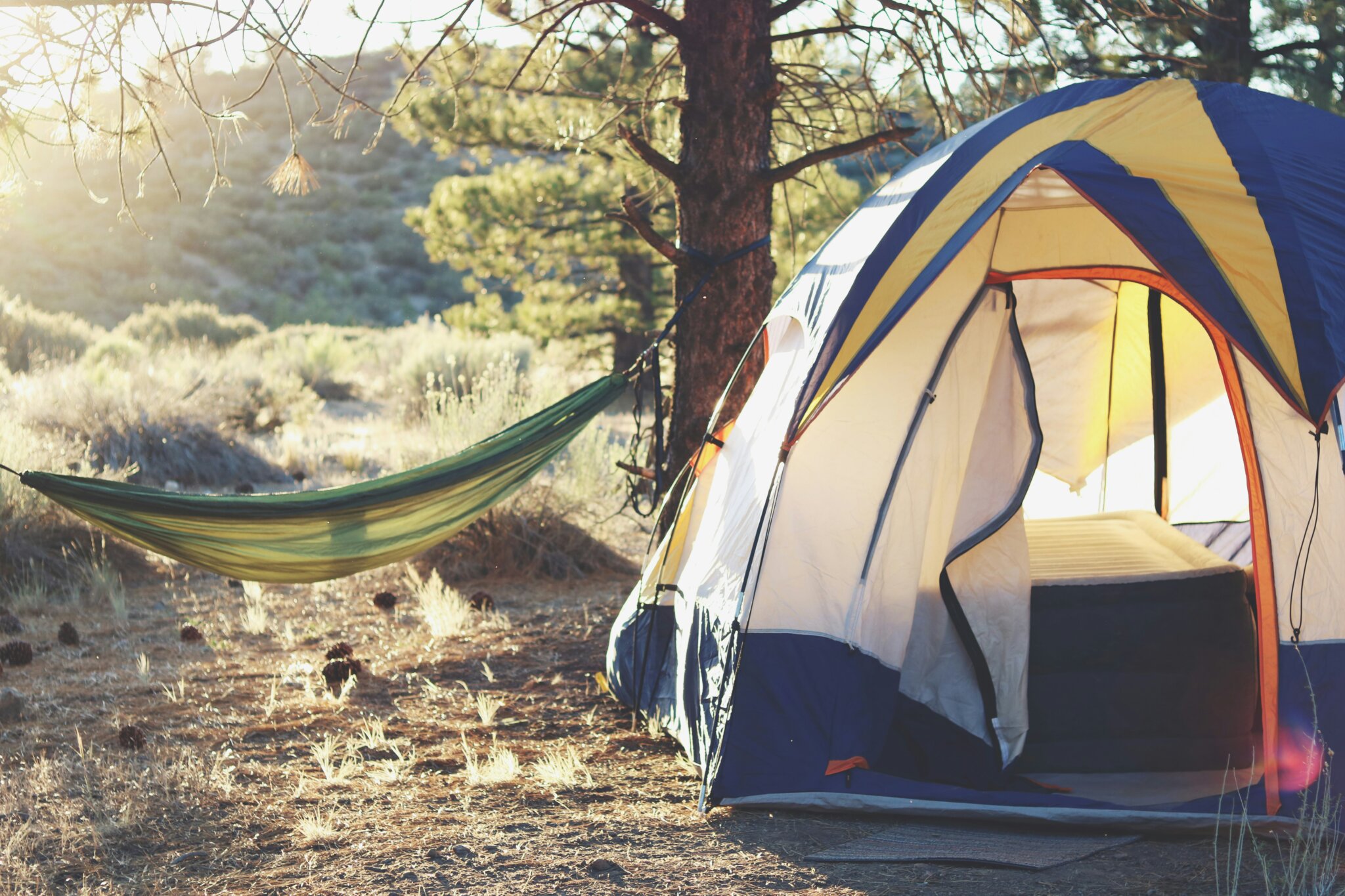
Choosing a hammock for your backpacking adventure offers various advantages. Not only does it deliver a unique experience, but it is also generally lightweight, particularly advantageous on rugged terrains. Furthermore, it proves to be ideal during warm, dry summer months when hanging in a hammock on a breezy evening can elevate your outdoor experience.
Photo by Tobias Tullius on Unsplash
Nevertheless, adjusting to sleeping in a hammock may require some practice. The comfort level differs significantly from a tent, and maneuvering within a hammock can be limiting. For those who prefer sleeping on their stomach, adapting to this setup may pose a challenge, though it becomes easier with experience.
A significant drawback of hammock camping is the necessity for suitable trees. If the terrain is unfamiliar, locating two sturdy, healthy trees with an appropriate distance between them can present difficulties. In contrast, finding a flat area for a tent is typically less of a challenge.
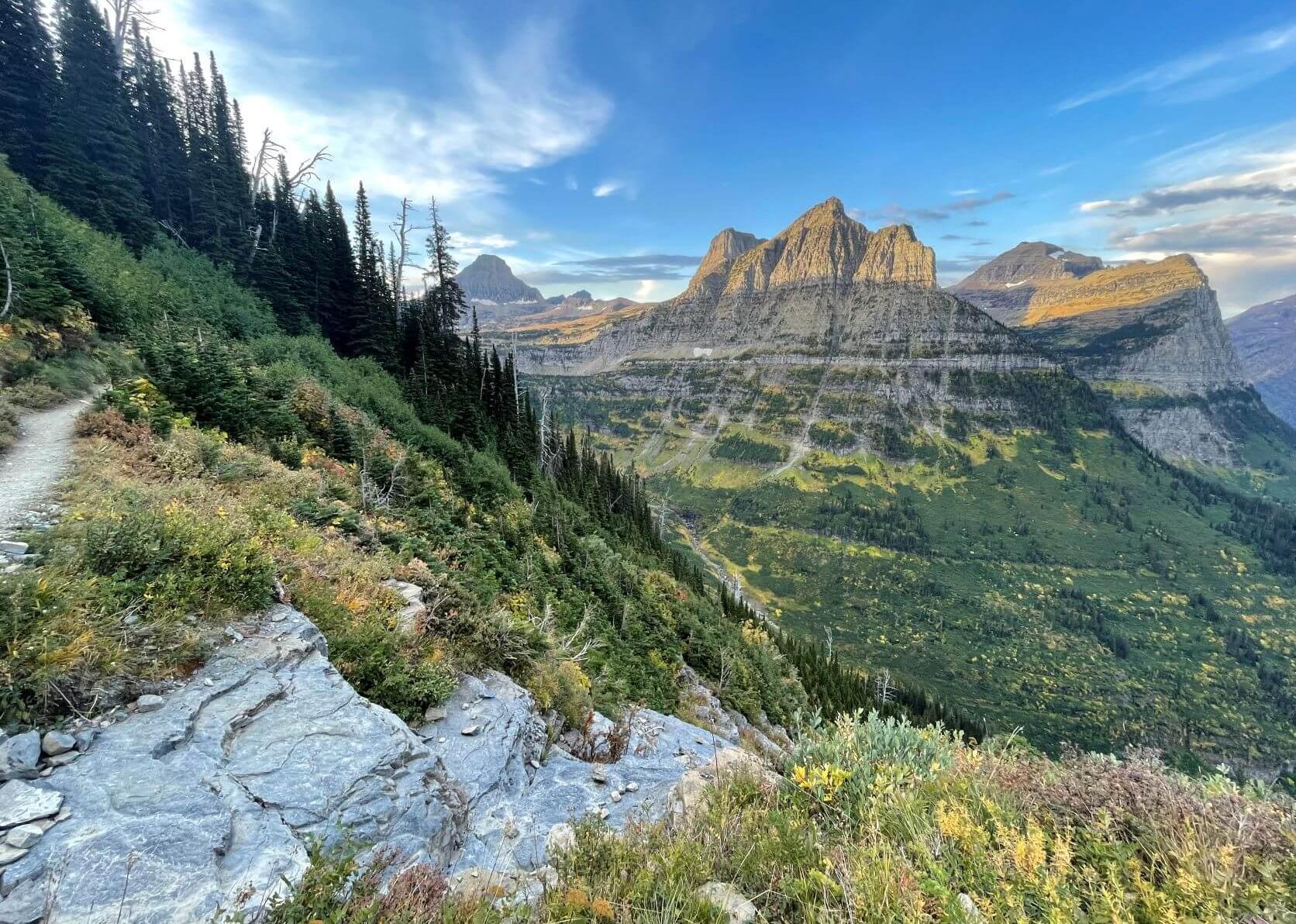
Photo by Ris & Ry on Unsplash
Pro Tip:
Be cautious of “widow-maker” trees, which are dead trees that may fall unexpectedly. Setting up camp beneath them—whether in a hammock or a tent—is unwise.
When it comes to gear, hammock camping differs slightly from tent camping. Generally, a sleeping pad is not required, although an inflatable one can enhance comfort and warmth. It is advisable to have some form of sleeping pad, as the hammock’s fabric can become cool during the night.
Essential Gear:
Bug net (a necessity for comfort)
Hammock straps
Top quilt or sleeping bag (consider maneuverability while in the hammock)
Quality hammock (a subpar hammock may lead to discomfort)
Rain fly to provide overhead protection
Hammock camping tends to have less environmental impact, as your suspended position preserves vegetation compared to a tent that occupies ground space.
A Word on Hammock Tents
Hammock tents combine the advantages of both systems, offering better protection from the elements due to their enclosed design and often keeping occupants warmer. Being elevated reduces concerns about water pooling during heavy rain and minimizes rocky ground issues; however, wind may still be a consideration. Moreover, hammock tents typically eliminate the need for a bug net due to their design.
Tent Camping
Tent camping offers superior protection against wind and weather, affording a comfortable night’s sleep. Conversely, it necessitates an inflatable pad and sleeping bag or camping quilt to maintain warmth and a degree of elevation from the cold ground, making it more suitable in cooler conditions.
The tent setup can be somewhat complex, depending on its design.
However, tents typically weigh more than hammocks, increasing your pack’s weight. Additionally, they require a flat surface for setup and necessitate a rain fly for wet conditions. Sleeping on one’s side is generally more straightforward in a tent than in a hammock, which can encounter rolling risks.
Terrain for tent camping
Both camping methods necessitate consideration of setup ease and the terrain conditions. Hammocks are less suitable for open areas, while tents may struggle in strong winds. Ultimately, neither option is universally superior; a contingency plan, such as possessing a bivy sack for treeless areas, is prudent in case harsh conditions arise, like stormy weather damaging your setup.
A bivy sack serves as an outer layer for your sleeping bag, providing waterproof protection.
Concluding Thoughts
Your choice of camping style significantly influences the overall experience, and selecting the appropriate gear can enhance comfort and enjoyment. Opting for a cozy bivy sack under the stars, a hammock that keeps you sheltered from insects and the cold ground, or a tent that offers robust protection from the elements will lead to an enriching adventure. Always ensure you are familiar with the regulations of your intended camping area.
What is your preferred method of camping? Feel free to share your thoughts in the comments.