What to do in Uganda
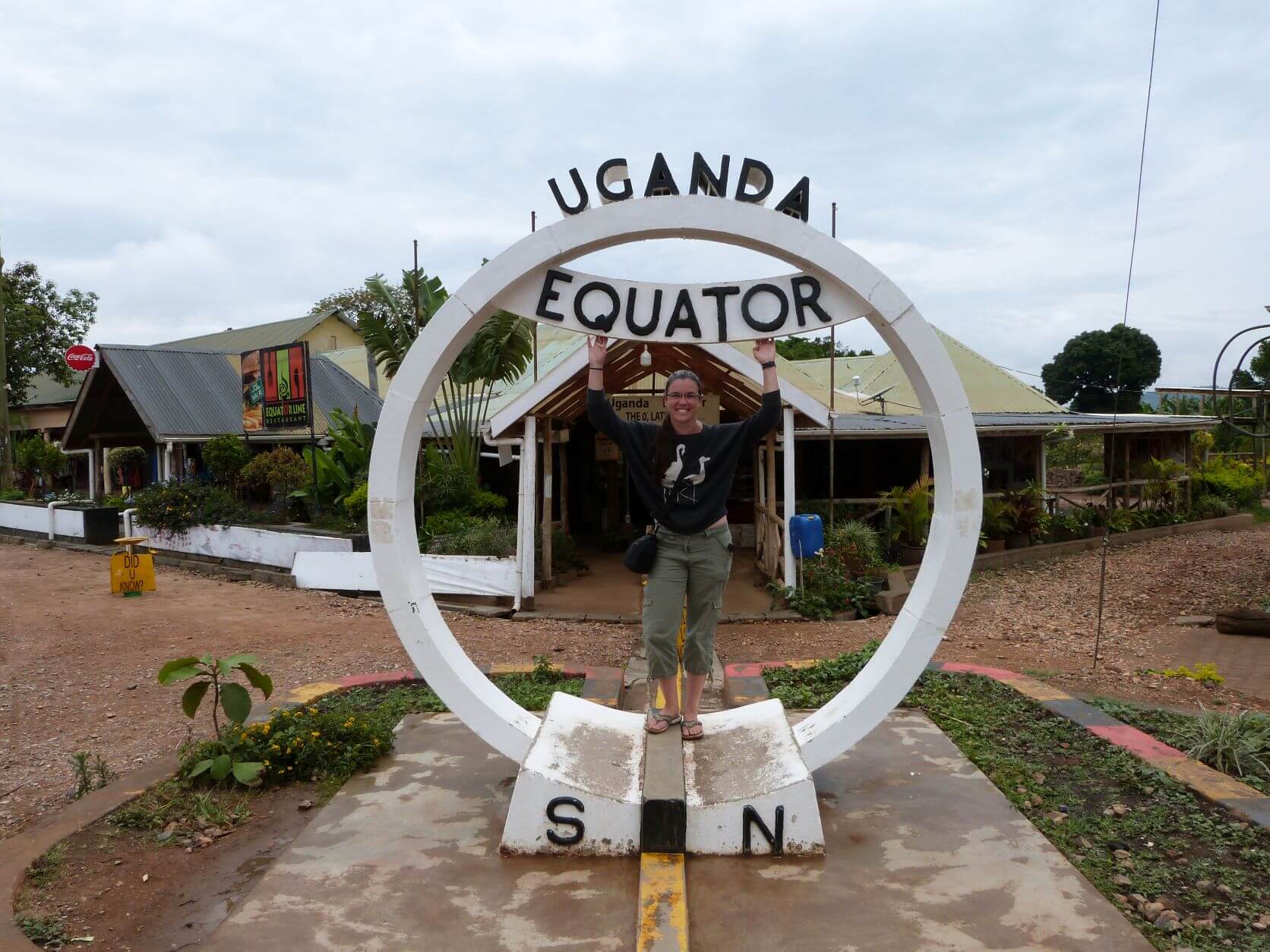
Uganda, often referred to as the Pearl of Africa, boasts a stunning landscape and hospitable locals. Located on the equator, it enjoys perfect weather and lush greenery, making it a notable destination. This guide provides essential information for planning an unforgettable trip to Uganda.
Entering the Country
The primary entry point is Entebbe International Airport, which is highly recommended. The drive from Entebbe through major urban areas like Kampala is a delightful experience, showcasing the vibrant culture, including the ubiquitous boda boda motorcycles, named for their original purpose of transporting goods across borders.
Uganda Visas
Tourist Visa
– An online application process is available. Generally, approval takes a few days, and upon arrival, travelers simply present their approval at immigration to receive their visa. For those who do not apply online, there are facilities to apply and pay upon arrival, though this will lead to longer wait times.Additionally, a yellow fever vaccination certificate is mandatory for entry. It is advisable to obtain this vaccination at least two weeks prior to travel to allow adequate time for immunity to develop. Consult with a healthcare provider if you have any concerns.
Additional Travel Tips for Uganda
Typhoid Vaccines – Not obligatory, but prudent as typhoid can be contracted from contaminated food or water. While pills are an option, a vaccination provides longer-lasting protection.
Anti-Malarials – Essential for travel in Uganda due to the risk of malaria. A comprehensive prescription plan should be followed, in conjunction with preventive measures such as insect repellent and sleeping under bed nets.
*Modern anti-malarial medications are typically well-tolerated, avoiding the side effects of earlier versions.
Travel Insurance – Highly recommended due to the potential for health issues or unforeseen events. Companies such as World Nomads offer suitable coverage for such trips.
Anti-Diarrheals – A safeguard in case of dietary indiscretions; it’s also advisable to carry electrolytes and stay hydrated with bottled water.
Currency
The Ugandan currency is the shilling. Travelers may find that standard banks might not exchange Ugandan currency, as they often only hold popular currencies. Practical options include withdrawing cash from ATMs, exchanging money at the airport or using US dollars, which are also widely accepted.
Hiring a Tour Operator
It is wise to engage a local guide for navigating Uganda, particularly when traversing rural areas where roads can be unmarked and challenging. My guide, Muky Tours and Safari, provided invaluable insight into local culture, top attractions, and culinary experiences.
Safari in Uganda
Relying on a guide can enrich your journey without necessitating a larger tour group. Discussing your interests will allow the guide to tailor a personalized itinerary. Experiencing diverse game drives across various national parks can be incredibly rewarding, especially in Western Uganda where numerous parks are located.
Must-Visit Destinations
Given Uganda’s vast natural beauty, a single trip may not suffice to explore all its wonders. Below are the key sights worth visiting:
Queen Elizabeth National Park
This park is home to 618 bird species, ranking it sixth globally for biodiversity and highest in Africa. Additionally, the park features unique tree-climbing lions, offering a sight not easily found elsewhere.
Murchison Falls National Park
As Uganda’s largest and oldest national park, it boasts a narrow section of the Nile River plunging 43 meters (171 feet), making for a spectacular sight.
Lake Mburo National Park
Although the smallest, this park teems with 68 mammal species and an impressive diversity of birds. Positioned west of Kampala in the Kiruhura District, it serves as an ideal starting point for your adventure.
Activities within the park include game drives, bicycle tours, and guided walks, the latter necessitating a trained guide due to the presence of potentially dangerous wildlife such as hippos and leopards.
Uganda’s Lake Mburo National Park
During your visit, anticipate encountering a variety of wildlife, including zebras, giraffes, leopards, hippos, buffalo, and numerous bird species. The park’s stunning landscapes feature acacia trees and expansive grasslands.
Queen Victoria National Park
Uganda offers the possibility of visiting multiple national parks within a single journey. However, if attempting to fit several parks into a brief itinerary, such as a week, be prepared for extended travel times due to road conditions. Queen Victoria National Park allows for traversing the area by vehicle or exploring side roads, renowned for its elephant and lion sightings.
Where to see elephants in Uganda
This park is considered a premier tourist destination, housing 95 specific species and a diverse array of habitats, making it significantly larger than Lake Mburo at 1,978 km² (764 sq mi).
Bwindi Impenetrable National Park
This park draws many visitors due to its status as a habitat for the endangered mountain gorillas. The park features multiple gorilla families that are monitored and tracked daily, which aids in conservation efforts.
The primary appeal of Bwindi is the opportunity for mountain gorilla trekking, providing visitors with an unparalleled experience to observe these magnificent creatures in their natural environment.
Gorilla trekking Bwindi National Park
For additional insights, please refer to Gorilla Trekking in Uganda.
Lake Bunyonyi
While not a national park, Lake Bunyonyi is a captivating area with around 29 islands. The region’s history, shaped by volcanic activity, has resulted in beautiful landscapes. Residents commute via boat, facilitating trade and daily life.
Significantly, the islands hold deep historical narratives, particularly concerning societal norms of the past, creating a poignant connection to the area’s history.
Lake Bunyonyi National Park
The history of “Punishment Island” is particularly haunting, as it was once a place of exile for pregnant women. Thankfully, these practices are now a remnant of the past, and the island is a serene habitat for nesting cormorants.
Mountain Climbing
Though not home to Africa’s tallest range, Uganda features impressive climbs, including peaks exceeding 16,000 feet.
Hike Mount Stanley (also known as Mount Ngaliema)
Standing at 5,109 m (16,763 ft), it is Uganda’s highest peak and the third-highest in Africa. Multiple trekking routes are available; however, a guide is essential. The trek typically requires 7-9 days to complete.
Visitors should be in good physical shape and ideally have some previous hiking experience. The difficulty level is higher than Kilimanjaro, requiring the use of ropes and crampons.
For reference, Gane and Marshall provides an itinerary for an 11-day trip priced at $1812 per person.
Crime rates are relatively low in Uganda; while petty theft can occur in urban areas, the overall travel experience is generally safe, and local children are more likely to wave hello than pose any threat.
Concluding Thoughts
My time in Uganda was genuinely remarkable, cementing its status as one of my favorite destinations. The connection between the locals and the rich wildlife made my experience truly extraordinary.
While Uganda faces challenges, such as conflicts regarding wildlife and the impact of political issues, the country’s offerings, such as fresh produce and rich ecosystems, greatly outweigh these concerns. Therefore, visiting Uganda is an enriching experience, fundamentally shaped by its welcoming people and stunning landscapes.