How to travel more sustainably
The world is undergoing significant changes, particularly due to climate change, which is increasingly impacting our travel experiences. The human population plays a substantial role in this phenomenon. While change is inevitable, the pace at which it is occurring demands our attention.
Consequently, it is vital to consider what this means for the future of travel and how we, as adventurers, can actively contribute to meaningful changes.
Understanding Climate Change
To begin, it is important to clarify what “climate change” entails. According to the United Nations, climate change refers to “long-term shifts in temperatures and weather patterns.” Over the past two centuries, human actions have been the primary drivers of these transformations.
Some of the key contributors include the consumption of fossil fuels, food production systems, and deforestation. Our excessive use of natural resources leads to irreversible damage to the planet.
Impact of Climate Change on Travel Destinations
These shifts in environmental conditions are observable in locations that may not immediately come to mind. While we often think locally about climate impacts—witnessing more frequent wildfires and severe weather events—many economically disadvantaged countries bear the greatest burden.
Photo Credit: Photo by OCG Saving The Ocean on Unsplash
Communities in the Arctic are forced to abandon their homes due to rising sea levels. In Africa, prolonged droughts compel people to traverse greater distances in search of fresh water. Likewise, Indonesian islands contend with relentless waves of debris contaminating their shores.
Tourism’s Role in Climate Change
Travelers are not only affected by climate change; they also play a role in its exacerbation. According to Sustainable Travel International, tourism is responsible for approximately 8% of global carbon emissions.
This contribution extends beyond air travel, which constitutes a large portion, to include infrastructure development, high energy consumption in accommodation, and tourist activities such as boat rides.
Travel Adaptations Due to Climate Change
Travel behaviors are evolving in response to climate change. For example, extreme weather events have altered seasonal travel patterns.
In spring 2023, the Grand Canyon delayed its opening for hikers intending to trek Rim-to-Rim due to heavy snowfall. Similarly, Lake Tahoe faced record snowfall, leading to the closure of ski resorts as snow accumulated beyond lift poles.
However, increased snowfall could mitigate longstanding droughts, potentially reducing the intensity of forest fires in subsequent summers.
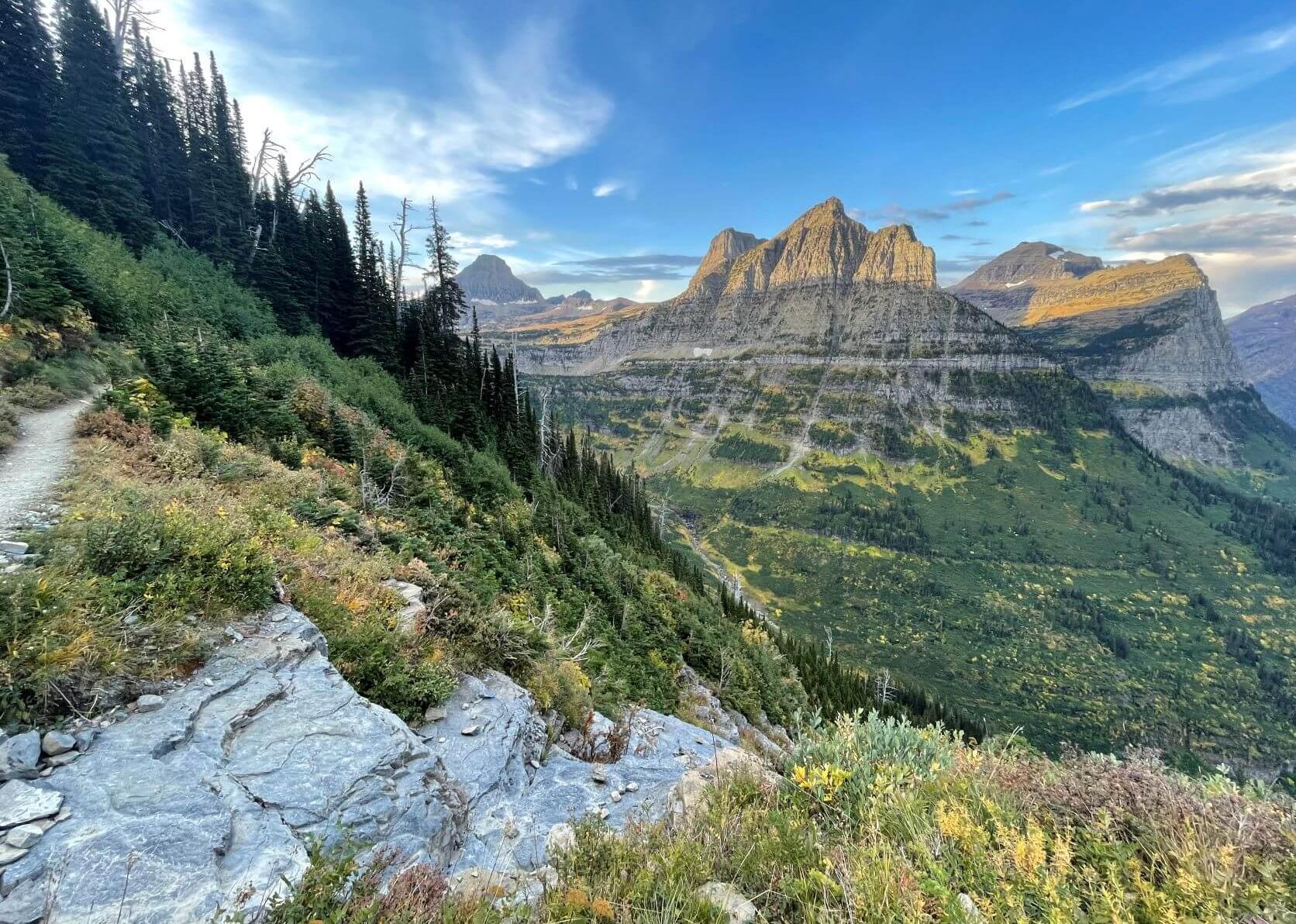
Photo Credit: Photo by Matt Palmer on Unsplash
Between 2010 and 2022, the west coast of the United States experienced some of its most devastating wildfires, severely hindering any hiking excursions along the Pacific Crest Trail.
Moreover, peak tourist seasons are shifting in numerous beloved destinations, as longer hurricane seasons complicate travel to the Caribbean. With rising summer temperatures, multiday treks and biking adventures present heightened risks of heat exhaustion.
What Travelers Can Do to Make a Positive Impact
In light of these challenges, how can we turn the tide? As adventurers and outdoor enthusiasts, there are several meaningful actions we can take to foster positive change.
Carbon Offsetting
Numerous programs exist aimed at facilitating carbon offsets when traveling. But what does carbon offsetting entail? It involves activities that lead to a reduction in carbon emissions, thereby compensating for emissions generated elsewhere.
Essentially, it means investing in programs and projects that work to decrease carbon emissions, countering your travel impact.
According to Investopedia, one of the most highly rated carbon offset programs in tourism is provided by Sustainable Travel International.
Opt for Sustainable Travel Choices
Consider alternatives to large hotel chains. While major brands like Marriott and Hilton offer certain comforts, there are more sustainable options available. Today, many booking platforms are enhancing their offerings to include eco-friendly accommodations, such as Expedia’s “Green Hotels Program.” Moreover, hotels can now earn certifications for their sustainability initiatives.
Reliable resources for identifying sustainable hotels can be found on websites like Eco-tourism World, which provides comprehensive information on finding sustainable accommodations.
Support Advocacy Organizations
Outdoor enthusiasts deeply appreciate the beauty and serenity of natural spaces, and wish to see these environments preserved for future generations. We are drawn to these landscapes for their pristine allure and their capacity to enhance our well-being, understanding that we share this planet with diverse wildlife.
Photo Credit: Photo by Matt Palmer on Unsplash
Numerous organizations aim to protect these vital spaces. One noteworthy example is Protect Our Winters (POW), founded by professional snowboarder Jeremy Jones, which encourages outdoor enthusiasts to actively advocate for environmental change.
Explore Alternative Modes of Travel
Air travel is not the sole transportation option available. Exploring various methods of travel could also promote the slow travel movement. Why rush through destinations merely to tick them off a list, leaving one to question whether one truly experienced a location?
Like many others, I recognize that vacation time is limited, prompting a desire to maximize every moment. However, one must consider if a whirlwind itinerary allows for genuine enjoyment of a destination, or simply leads to racing from one site to the next.
Instead, consider biking, walking, or taking a train. Savor local cuisine and take time to absorb the surroundings. Engaging with a place beyond the primary tourist attractions enriches the experience.
If air travel is unavoidable due to remote locations, seek opportunities to minimize the frequency of flights each year. Taking a train or boat can greatly enhance your journey.
Adopt the Leave No Trace Principle
As outdoor adventurers, we aim to preserve the allure of these natural environments for future generations. The “Leave No Trace” principle embodies a fully adoptable ethos.
This requires bringing back everything you take in, which is just one aspect of a larger movement dedicated to safeguarding our outdoor spaces. Explore the Leave No Trace website for ways to get involved and become a stronger advocate for nature.
Climate change impacts everyone, affecting not only humanity but also our planet’s ecosystems. The choices we make resonate far beyond our immediate surroundings; they can lead to both positive and negative outcomes.
As travelers, we have the opportunity to exemplify responsible stewardship of the Earth, demonstrating that meaningful change is within reach. Through our actions and commitment to sustainability, we can inspire others and pave the way for a brighter future.
For further insights, consider exploring how communities are living in harmony with nature, and discover how each of us can contribute to this balance.